
High-Efficiency Commercial & Resort Fleet Platforms
Explore engineering-certified, factory-direct electric golf buggies and low-speed passenger transports configured for commercial hospitality, industrial parks, and resort operators.

Cheap Wholesale China 6 Seat Electric Golf Carts, 72V Lithium Battery, Comfortable Customized Golf Buggy from Suppliers & Factory Factory, Factories

Buy 72V AC Mini Electric Golf Cart for Sale - China Suppliers & Factory, 4-Seat Lithium Battery Model, CE Certified Suppliers, Factory
Wholesale Wholesale 6 Seat Electric Golf Carts from China Suppliers - Customized 72V Lithium Golf Buggy Factory Direct Supplier, Suppliers
OEM Wholesale Electric Golf Carts from China Suppliers, 72V Lithium 6 Seat Golf Buggy Factory Made for Comfort and Performance Manufacturers, Factories
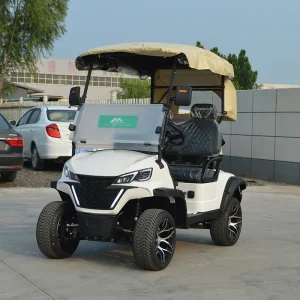
Wholesale China Factory Suppliers of 2-Seater Electric Sightseeing Cars, Golf Carts, and Versatile G70 Electric Vehicle Supplier, Suppliers
China Wholesale 6 Seat Electric Golf Carts, 72V Lithium Customized Comfortable 4 Seat Electric Golf Buggy Supplier, Suppliers
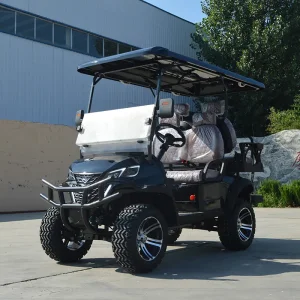
Wholesale Electric Golf Cart 4seated Golf Buggy Sightseeing Bus off-Road 72vgolf Cart Manufacturers, Factory
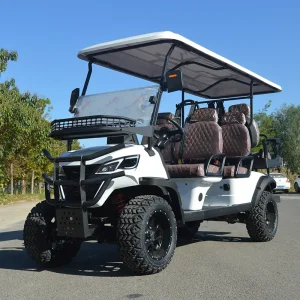
Best Electric Cars Buggy Golf Beemotors Supply CE Approved 15-40km/H Low Speed Electric Buggy Golf Car Manufacturers, Factories
The Paradigm Shift in B2B Golf Cart Procurement: From "Cheap" to High Information Gain
In modern industrial procurement, the term "cheap golf car deals" has evolved from low-grade compromises into rigorous total-cost-of-ownership (TCO) optimization enabled by intelligent Chinese manufacturing clusters.
Macroeconomic Electrification Dynamics
Global demand for commercial low-speed electric vehicles (LSVs) across master-planned resorts, municipalities, distribution centers, and educational complexes has accelerated past traditional golfing usage. The global market, traditionally dominated by legacy brands selling at hefty retail markups, has experienced systemic disruption through direct manufacturing partnerships with Chinese producers such as Dezhou Leibin Vehicle Industry Co., Ltd.
Procurement Intent Deconstruction
Institutional fleet buyers no longer search solely for low sticker prices. Modern procurement intent centers on Engineering Reliability vs. Unit Cost. Fleets operate under high uptime requirements; an out-of-service utility buggy during peak hospitality seasons drains revenue. Direct factory acquisition eliminates multi-tier middleman markups while allowing technical customization directly with OEM structural engineers.
Supply Chain Resiliency & Dezhou Ecosystem
By leveraging northern China's specialized electric mobility industrial belt in Dezhou, Shandong, manufacturing facilities utilize localized vertical integration. From stamped steel ladder frames and mold-injected ABS body shells to high-voltage wire harnesses and intelligent BMS units, components are engineered within a 40-kilometer radius, slashing delivery lead times and production overhead.
Engineering Architecture: Factory 4.0 Resilience & Powertrain Physics
A rigorous examination of production standards, electrochemical stability, and chassis mechanics inside modern 13,000 m² facilities.
Robotic Frame Jigging
Automated CO2-shielded robotic welding ensures structural tolerance within ±0.5mm across the ladder chassis, preventing long-term stress fatigue under high payload cycles.
Cathodic Electrophoresis
Every welded chassis undergoes multi-stage phosphating followed by complete cathodic electro-deposition (e-coating), safeguarding against salt mist corrosion in coastal resort climates.
72V AC High-Torque Motors
Transitioning from inefficient 48V brushed systems to brushless 72V AC induction systems delivers 25% higher thermal headroom, lower ampere draw, and gradeability exceeding 25-30%.
CAN-Bus Intelligent BMS
Integrated real-time Battery Management Systems monitor individual cell voltage, thermal spikes, over-current prevention, and dynamic regenerative deceleration charging.
| Evaluation Parameter | Legacy Budget 48V Lead-Acid | Commercial Grade 72V LiFePO4 Platform | Fleet Advantage & Financial Impact |
|---|---|---|---|
| Battery Cycle Life | 400 – 600 cycles (50% DoD) | 3,500 – 4,000 cycles (80% DoD) | Eliminates 3 costly replacement cycles over an 8-year span. |
| Chassis Curb Weight | Heavy (~580 kg with battery pack) | Lightweight (~390 kg with lithium pack) | Reduces turf compaction on golf greens; increases acceleration response. |
| Climbing Gradeability | 12% – 15% loaded max | 25% – 30% sustained incline | Effortless traversal of mountainous resorts and multi-level parking structures. |
| Daily Maintenance | Weekly terminal checks & deionized water refilling | Zero maintenance (sealed modular LiFePO4) | Saves an estimated 45 man-hours per cart per year in labor costs. |
| Energy Density & Range | 40 – 55 km per full charge | 90 – 140 km per full charge | Enables double-shift operational capability without midday charging delays. |
Localized Application Scenarios: Purpose-Built Mobility Deployments
A golf cart is no longer confined to fairways. See how diverse industrial, commercial, and municipal environments optimize operations using specialized configurations.
Luxury Resorts, Eco-Tourism & Hospitality Enclaves
In high-end coastal resorts and private island developments (e.g., Caribbean, Maldives, Mediterranean, Southeast Asia), silence and visual elegance are paramount. Quiet 72V AC powertrains run without tailpipe odor or engine rumble. 6-seater and 8-seater configurations with custom leatherette upholstery and marine-grade stainless hardware withstand sea-spray humidity while moving guests and luggage seamlessly between villas, spas, and clubhouses.
Mega-Logistics Hubs, Manufacturing Plants & Free-Trade Zones
Sprawling industrial campuses such as automotive assembly facilities, automated distribution centers, and port operations require dependable intra-facility movement. Our utility-oriented G30 and G80 cargo platforms feature flatbed diamond-plate aluminum rear decks capable of hauling 400-800 kg of tooling, palletized parcels, or maintenance spares with zero indoor emissions, easily passing tight factory aisles.
Municipal Security, Airport Aprons & Gated Community Patrols
Security operations in residential master-planned communities, international airports, and university campuses demand high visibility, continuous stop-and-go reliability, and rapid emergency dispatch. Integrated with flashing warning beacons, PA speakers, all-weather transparent rain enclosures, and solar-assist recharge roofs, these patrol models operate 18+ hours daily with opportunity charging.
Championship Golf Courses & Semi-Private Country Clubs
Traditional golf courses balance player luxury with course maintenance. Ultra-wide low-pressure turf tires distribute chassis mass to eliminate divots and green scalping. Factory installations include dual sand bottles, heavy-duty rear bag caddies with weather hoods, on-board USB-C device chargers, and integrated GPS display mounting brackets for modern club fleet management software.
Heavy-Duty, Solar-Assisted & Multi-Seater Utility Lineup
Compare factory-built off-road buggies, solar roof integrations, and multi-passenger shuttles engineered to reduce charging intervals and increase fleet versatility.
China China Suppliers Factory 72V Electric Golf Cart - 4-Seater Off-Road Buggy for Sightseeing, 35 km/h Speed, 150 km Range Suppliers, Factories
Wholesale 72V AC Mini Electric Golf Cart Buggy Gold Color 4-Seat Golf Cart with Lithium Battery CE Certified and Tail Caddie Equipment Factory, Factories

China 72V Electric Golf Cart - 6-Seater Modern Design | China Suppliers & Factory Quality Golf Buggy Manufacturer, Factory
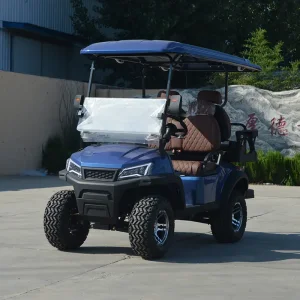
China Leibin (G90) 72V Lithium Battery Solar 4 Seaters off Road Electric Street Legal Golf Carts Manufacturers, Suppliers
Wholesale 72V Electric Golf Cart - Modern 6-Seater Buggy from China Suppliers | High-Quality Factory Manufacturing Suppliers, Factories
Cheap China Supplier Factory Leibin G90 72V Lithium Battery Off-Road Electric Golf Cart - 4 Seaters, Solar Power, 35 km/h Speed Suppliers, Factory
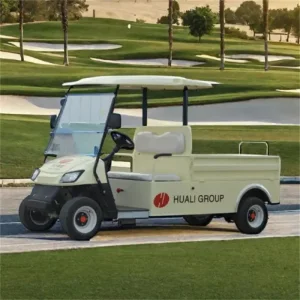
Cheap Cargo Electric Utility off Road Truck Golf Cart 48V Utility Gulf Cart Electric Golf Car Suppliers, Factory
Cheap 72V New Style Modern Fashion 6 Seat Golf Cart Electric Golf Buggy Manufacturers, Supplier
Overcoming Global Import Hurdles: Standards, Homologation & Logistics
Purchasing directly from China requires precision in regulatory compliance and freight container geometry to maintain low unit landed costs.
US & European Homologation
For US buyers, street-legal Low-Speed Vehicle (LSV) operation requires adherence to FMVSS No. 500, including DOT-stamped AS4 windscreens, 3-point seatbelts, illuminated side reflectors, backup alarms, and an integrated reverse camera with speed capped at 25 mph. In the European Union, homologation under L6e or L7e light quadricycle directives guarantees seamless municipal registration.
SKD vs. CKD Packing Density
To optimize ocean freight per unit, Leibin vehicles are exported in either Semi-Knocked Down (SKD) steel-rack modules or Completely Knocked Down (CKD) kits. While a 40ft HQ container accommodates only 6 fully assembled units (CBU), skilled distributors can load 18-24 units under SKD/CKD configurations, effectively slashing per-vehicle shipping tariffs by more than 60%.
Hazardous Cargo Battery Logistics
Shipping high-capacity LiFePO4 battery modules mandates stringent UN38.3 test certification, Material Safety Data Sheets (MSDS), and proper IMO Class 9 Dangerous Goods maritime manifests. Sourcing factory-direct ensures that the cell batch certificates match packing documents, preventing port-of-entry quarantine and customs release holds.
B2B Commercial Procurement FAQ: Technical, Financial & Warranty Realities
Direct answers for fleet managers, municipal buyers, and international distributors planning volume procurement.
Why is a factory-direct 72V system superior to a 48V configuration for commercial fleets?
Higher operating voltage directly translates to lower amperage draw under equivalent watt output (P=V*I). Lower current draw generates less resistive heat across copper motor windings and solid-state controller MOSFETs, mitigating the risk of thermal shutdown on steep resort hills. Furthermore, 72V systems yield higher initial torque, maintain top speed under full passenger capacity, and deliver broader range efficiency.
How does buying "cheap" directly from an OEM differ from low-cost trading company products?
Trading companies frequently source from fragmented cottage workshops where structural frames lack standardized robotic jig fixtures, and wiring harnesses are manually crimped without automotive-grade waterproof Delphi or Deutsch connectors. Direct procurement from specialized manufacturers like Leibin guarantees an integrated production audit trail: robotic frame welding, cathodic electro-dip paint, and matched Curtis/Infore controllers calibrated to customized speed curves.
What is the typical Minimum Order Quantity (MOQ) and sample evaluation lead time?
For standard production models, the initial evaluation sample unit (1 unit) can be built, dynamically road-tested, and crated in steel framing within 10 to 15 business days. For volume orders (20ft or 40ft HQ containers), delivery typically spans 20 to 30 days depending on custom requirements such as bespoke Pantone body paints, personalized embroidered marine vinyl seating, and custom localized graphics.
How are warranty claims, spare wear parts, and remote diagnostic repairs handled internationally?
Every commercial container order is supplied with a curated critical spare parts package (brake pads, steering tie-rod ends, bushings, controller relays, and LED lighting clusters). In the event of an electrical fault, factory engineers connect remotely via CAN-bus diagnostic software or video conference. Structural ladder frames are warrantied up to 5 years, while LiFePO4 battery packs carry a 3 to 5-year pro-rata operational warranty.
Can the top speed and acceleration curve be limited for public rental or resort safety?
Yes. The electronic motor controller firmware can be permanently governed or calibrated with variable operator profiles. For instance, resort rental vehicles can be restricted to 20 km/h with gradual acceleration curves to prevent passenger whiplash and preserve battery longevity, while security and emergency patrol variants can be configured for uninhibited 40 km/h response via key-switch authorization.
What real-world benefits does the integrated solar roof panel deliver?
Our G90 models feature an optional monocrystalline solar panel seamlessly molded into the roof canopy. Under standard resort ambient sunlight conditions (5.5 peak sun hours), the 200W-350W solar array trickles 1.2 to 1.8 kWh back into the 72V pack daily. This extends daytime operational range by 15-25 km, prevents deep discharge states while parked outdoors, and reduces annual grid power consumption.
Transform Your Commercial Fleet Economics With Leibin
Request comprehensive technical engineering schematics, FOB/CIF container price matrices, and custom OEM/ODM digital mockups directly from our Dezhou manufacturing facility engineers.