

Direct-From-Factory Solutions
High-Efficiency Commercial Golf Cars & Low-Speed Vehicles
Explore precision-engineered 48V/72V lithium golf buggy configurations directly manufactured for institutional operators, municipal parks, luxury hospitality resorts, and commercial fleets.
Cheap Wholesale China 6 Seat Electric Golf Carts, 72V Lithium Battery, Comfortable Customized Golf Buggy from Suppliers & Factory
View Specifications
Wholesale 72V Electric Golf Cart - Modern 6-Seater Buggy from China Suppliers | High-Quality Factory Manufacturing
View Specifications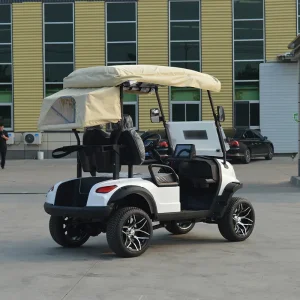
OEM Affordable 2 Seater Mini Sightseeing Car Golf Cart Electric Cars Manufacturer, Suppliers
View Specifications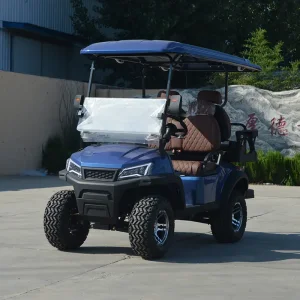
Cheap China Supplier Factory Leibin G90 72V Lithium Battery Off-Road Electric Golf Cart - 4 Seaters, Solar Power, 35 km/h Speed
View Specifications
Cheap 72V New Style Modern Fashion 6 Seat Golf Cart Electric Golf Buggy Manufacturers, Supplier
View Specifications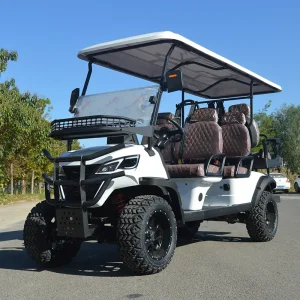
Best Electric Cars Buggy Golf Beemotors Supply CE Approved 15-40km/H Low Speed Electric Buggy Golf Car Manufacturers
View Specifications
China Wholesale 6 Seat Electric Golf Carts, 72V Lithium Customized Comfortable 4 Seat Electric Golf Buggy Supplier
View Specifications
Industry Economics
Macro Trends: The Global Shift in Cheap Golf Car Procurement
A rigorous examination of shifting global supply patterns, total lifecycle economics, and why high-spec direct manufacturing delivers superior return on capital over legacy Western brands.
Total Cost of Ownership Arbitrage
Global procurement teams are transitioning from traditional local dealer markups (which frequently append 40%–60% margins) toward vertically integrated original equipment manufacturers (OEMs). Sourcing cheap golf car solutions directly from centralized automotive clusters in Shandong reduces initial capital expenditures (CapEx) while delivering automotive-grade E-coating chassis and maintenance-free LiFePO4 battery chemistries that drastically minimize operating expenditures (OpEx).
The 72V High-Voltage Paradigm
The low-speed vehicle market has rapidly bypassed dated 36V and 48V DC lead-acid platforms. Current industrial demands favor 72V AC induction and permanent magnet synchronous motors (PMSM). A higher nominal voltage decreases thermal load across the copper wiring harnesses, provides superior high-torque output for 30%+ gradeability, and facilitates extended operational cycles across demanding institutional shifts without thermal derating.
Localization & Homologation
Institutional operators must satisfy diverse jurisdictional mandates, such as FMVSS 500 / DOT Part 571 in North America (Low-Speed Vehicles) and EEC/L6e/L7e type-approval classifications in the European Union. Direct Chinese industrial facilities implement standardized modular engineering lines capable of customizing three-point seat belts, DOT-stamped AS4 windscreens, CAN-bus integration, and dual-circuit hydraulic braking systems during primary assembly.
42.8%
Average Fleet CapEx Reduction vs Tier-1 Brands
3,500+
LiFePO4 Deep Discharge Cycles (80% DOD)
13,000m²
Continuous Automated Manufacturing Floor
98.4%
On-Time Global Containerized Port Delivery
Deployment Scenarios
Engineering Solutions Across Specialized Commercial Use Cases
Low-speed electric utility vehicles have evolved beyond the fairway into multi-sector transport backbones requiring custom payloads, specific battery endurance profiles, and robust suspension packages.
Hospitality & Eco-Resort Fleets
Luxury resort complexes require ultra-quiet operational profiles, zero localized hydrocarbon exhaust, and refined passenger ergonomics. Our 6-seater and 4-seater 72V models integrate independent MacPherson strut front suspensions, plush marine-grade vinyl seating, and regenerative downhill descent systems that protect manicured grounds while delivering whisper-quiet guest transit.
Industrial Parks & Perimeter Security
Heavy manufacturing yards, deep-water ports, and bonded warehouse parks demand multi-shift endurance. Patrol platforms feature high-intensity LED light bars, integrated onboard telematics, siren integrations, and corrosion-resistant chassis treated through multi-stage cathodic electrophoretic dipping to withstand corrosive saltwater environments and industrial fumes.
Master-Planned Communities (NEVs)
In gated residential enclaves, retirement estates, and smart-city corridors, Neighborhood Electric Vehicles (NEVs) serve as primary transit. Vehicles configured with solar-top regeneration (such as the Leibin G90) harness ambient solar radiation to supply up to 15–20% daily supplemental range replenishment, minimizing grid dependence and optimizing utility costs.
Engineering Matrix
Powertrain Architectural Comparison: Standard Lead vs Modern 72V Lithium
Detailed performance benchmarks illustrating the mechanical and electrochemical advantages of choosing advanced factory direct configurations over legacy entry-level offerings.
| Evaluation Parameter | Legacy 48V Lead-Acid Config | Modern 72V LiFePO4 System (Leibin Standard) | Commercial Fleet Impact |
|---|---|---|---|
| Battery Pack Weight | ~320 kg – 380 kg (6x8V flooded) | ~85 kg – 110 kg (Lithium pack) | 70% chassis weight reduction; preserves turf, enhances acceleration & braking |
| Charging Efficiency & Time | 8–10 Hours; declining thermal efficiency | 2.5–4.5 Hours fast charge capability | Allows rapid opportunity charging during shift rotations and midday breaks |
| Peak Motor Efficiency | 82% (DC Brushed / Series Wound) | 94% (AC Induction / PMSM) | Substantially lower thermal loss, higher continuous torque, zero brush maintenance |
| Gradeability Performance | 15% – 18% Under full payload | 28% – 35% Full torque delivery | Effortless ascent on extreme terrain without motor strain or thermal stalling |
| BMS & Telematics Support | Manual gravity testing, frequent water refills | Integrated CAN-bus BMS with remote cell balancing | Eliminates manual human maintenance; real-time SOC monitoring prevents deep drain failures |
| Lifecycle Longevity | 400–600 Cycles (1.5–2 years commercial) | 3,500+ Cycles (8–10 years commercial) | Over 5x reduction in battery amortized replacement costs over lifecycle |
Future Trajectory
Technical Roadmap: Autonomous Navigation, Telematics, & V2G
The convergence of low-speed industrial vehicles with modern IoT and green energy microgrids is redefining how corporate operations scale their localized logistics infrastructure.
Automated Fleet Telematics (IoT 4.0)
Next-generation fleets integrate LTE/5G wireless modules directly communicating with the vehicle's Curtis or Enpower digital controller. Fleet controllers can designate dynamic geofencing zones (restricting speed automatically near pedestrian walkways), access real-time battery diagnostics, detect impact incidents, and schedule predictive maintenance before mechanical failures occur.
LiDAR-Assisted Autonomous Navigation
Closed-campus environments (airports, medical complexes, mega-factories) are pioneering autonomous transport pods. Utilizing drive-by-wire steering and braking assemblies already implemented on our G70 and G80 platforms, integrations with solid-state LiDAR sensors and machine vision algorithms enable scheduled, driverless passenger transit across dedicated internal roadways.
Solar Micro-Generation & V2X Capabilities
High-efficiency monocrystalline solar roofs (configured on the Leibin G90 series) continue to climb in photovoltaic conversion efficiency (exceeding 23.5%). Future iterations incorporate bidirectional DC-to-AC inverters, allowing parked maintenance vehicles to function as mobile emergency power supply stations for field tools, portable medical hardware, or remote event support.
Global Export Verified Models
CE-Certified & Street-Legal Configurable Golf Buggies
Explore specialized long-wheelbase shuttles, multi-terrain utility trucks, and luxury club cars configured to meet European Union and US DOT low-speed vehicle homologation standards.

Buy 72V AC Mini Electric Golf Cart for Sale - China Suppliers & Factory, 4-Seat Lithium Battery Model, CE Certified
View Specifications
China Leibin (G90) 72V Lithium Battery Solar 4 Seaters off Road Electric Street Legal Golf Carts Manufacturers
View Specifications
ODM Low-Speed Electric Golf Car from China Suppliers - CE Approved 15-40km/H Beemotors G70-4+2 Factory Model
View Specifications
OEM Wholesale Electric Golf Carts from China Suppliers, 72V Lithium 6 Seat Golf Buggy Factory Made for Comfort
View Specifications
China 72V Electric Golf Cart - 6-Seater Modern Design | China Suppliers & Factory Quality Golf Buggy
View Specifications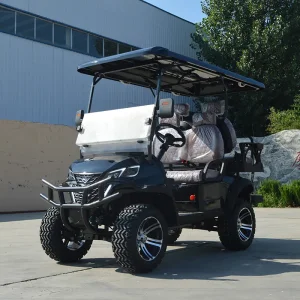
Wholesale Electric Golf Cart 4seated Golf Buggy Sightseeing Bus off-Road 72vgolf Cart Manufacturers
View Specifications
Best China Suppliers Factory 72V AC Mini Electric Golf Cart 4-Seat Buggy Gold Color Lithium Battery CE Certified
View Specifications
Best 72V Modern 6-Seater Electric Golf Cart - Factory Direct from China Suppliers, Ideal for On-Road and Off-Road
View Specifications
Verification Protocol
How To Audit Direct Chinese Golf Cart Manufacturers (Supplier Due Diligence)
Institutional sourcing guidelines for international procurement managers to distinguish true original manufacturers from domestic export trading houses.
In-House Robotic Chassis Welding
Trading entities outsource steel sub-frames to unregulated fabrication shops, resulting in weld voids and premature fatigue cracking under stress. Real tier-1 factories operate robotic welding jigs and multi-stage electrophoretic dipping basins that coat interior tubing walls against oxidation caused by coastal humidity and golf course fertilizers.
Proprietary Harness & Controller Integration
Examine vehicle wiring harnesses. Premium manufacturers employ automated crimping terminals with IP67 sealed waterproof connectors, shielding controllers and CAN transceivers from water splash during pressure washing. Low-quality assemblers routinely leave taped terminal junctions vulnerable to oxidation and electrical shorts.
End-of-Line Dyno & Water Ingress Testing
Demand documented factory test verification. Prior to crating, every vehicle unit must undergo roll-bench dyno testing to assess hydraulic brake balance, motor noise across high-RPM thresholds, steering return, and a simulated 15-minute high-pressure deluge test confirming cabin instrumentation and battery enclosure seals remain dry.
Procurement Knowledge Base
Frequently Asked Questions on Direct Golf Cart Manufacturing
Comprehensive technical and operational answers to support engineering assessments, import logistics, and long-term fleet procurement strategies.
What makes direct Chinese golf car suppliers structurally cheaper than domestic brands?
The cost advantage stems from concentrated industrial clustering in regions like Dezhou, Shandong, which produces complete domestic supply chains for steel tubular chassis, brushless AC motors, controllers, and lithium battery cell packs within a 50 km radius. Combined with high-volume automated manufacturing lines and the elimination of middleman domestic dealership networks (which often markup units 50%+), buyers obtain tier-1 build quality at direct factory costs.
What are the core technical differences between a 48V and a 72V electric golf cart platform?
A 72V architecture draws approximately 33% less electrical current than a 48V system to achieve the equivalent wattage (P=V*I). This results in lower internal resistive heating throughout the wiring harness, greater sustained motor torque, cooler operating controllers, and superior gradeability (handling up to 30%+ grades easily). For 6-passenger, off-road, or cargo applications, 72V is significantly more robust and durable.
Can Chinese golf carts be imported as street-legal vehicles in the United States and Europe?
Yes. To be street legal in the US as a Low-Speed Vehicle (LSV), the unit must comply with FMVSS 500 regulations (including DOT AS4 windscreens, 3-point seatbelts, headlights, turn signals, mirrors, rear reflectors, parking brakes, and a max governed speed of 20–25 mph). In the European Union, homologation falls under L6e/L7e light quadricycle certification. Direct factories engineer and document these specific requirements for smooth local registration.
How are replacement components and warranty issues managed internationally?
Tier-1 manufacturers establish overseas spare part provisioning protocols. Critical powertrain components (such as Curtis/Enpower controllers, Dana rear axles, and LiFePO4 BMS units) follow global standards with interchangeable parts. Bulk fleet purchases routinely include a complementary high-wear spare parts kit (relays, switches, brake pads, bushings), accompanied by remote video technical diagnostic support and direct courier air-shipping for warranty components.
How does solar panel integration on models like the Leibin G90 function?
The solar roof incorporates an embedded monocrystalline photovoltaic panel connected to an onboard MPPT (Maximum Power Point Tracking) charge controller. The MPPT steps up the solar voltage to match the 72V nominal pack voltage, trickle-charging the lithium cells whenever ambient sunlight is present. This can deliver an additional 10–20 km of operational autonomy per day, greatly extending runtimes between physical plug-in sessions.
What is the typical container shipping configuration (SKD vs CKD)?
To maximize ocean freight economy, vehicles are shipped in either SKD (Semi-Knocked-Down, where wheels, canopy roof, and rear seats are detached for steel crate stacking) or CKD (Completely Knocked-Down). A standard 40-foot high cube (40HQ) container holds between 8 and 12 units in SKD format, or up to 24 units in full CKD format, drastically reducing the per-unit ocean freight cost.