
High-Performance 72V & 48V Electric Buggies & Fleet Transporters
Explore our premium factory-manufactured production lineup, engineered with advanced LiFePO4 battery modules, regenerative AC induction motors, and modular chassis architectures.

OEM Wholesale Electric Golf Carts from China Suppliers, 72V Lithium 6 Seat Golf Buggy Factory Made for Comfort and Performance Manufacturers, Factories
View Vehicle Specs
Cheap China Supplier Factory Leibin G90 72V Lithium Battery Off-Road Electric Golf Cart - 4 Seaters, Solar Power, 35 km/h Speed Suppliers, Factory
View Vehicle Specs
Best Electric Cars Buggy Golf Beemotors Supply CE Approved 15-40km/H Low Speed Electric Buggy Golf Car Manufacturers, Factories
View Vehicle Specs
Wholesale 72V Electric Golf Cart - Modern 6-Seater Buggy from China Suppliers | High-Quality Factory Manufacturing Suppliers, Factories
View Vehicle Specs
Cheap Wholesale China 6 Seat Electric Golf Carts, 72V Lithium Battery, Comfortable Customized Golf Buggy from Suppliers & Factory Factory, Factories
View Vehicle Specs
Best China Suppliers Factory 72V AC Mini Electric Golf Cart 4-Seat Buggy Gold Color Lithium Battery CE Certified Manufacturers, Supplier
View Vehicle Specs
Buy 72V Modern 6-Seater Electric Golf Cart from China Suppliers | Reliable Factory Golf Buggy for On-Road & Off-Road Use Factory, Factories
View Vehicle Specs
China China Suppliers Factory 72V Electric Golf Cart - 4-Seater Off-Road Buggy for Sightseeing, 35 km/h Speed, 150 km Range Suppliers, Factories
View Vehicle SpecsThe Evolution of Electric Advanced Golf Carts & Low-Speed Electric Vehicles
From simple fairways to complex municipal micro-mobility and industrial logistics: how advanced engineering and smart powertrain platforms are revolutionizing low-speed transport globally.
Global Macro Market Transformation
The global electric golf cart and low-speed utility vehicle (LSEV/LSV) industry has graduated beyond traditional leisure recreational use. Fueled by stringent ESG mandates, corporate carbon-neutral pledges, and the expansion of master-planned communities across North America, Europe, and the APAC region, the market is expanding at an 8.4% CAGR. Modern enterprise procurement teams require street-legal, durable, high-efficiency transport assets that align directly with regional decarbonization directives.
The 72V High-Voltage Architecture Transition
Historic 36V and 48V DC lead-acid designs are rapidly becoming obsolete due to thermal degradation, high maintenance costs, and severe hill-climbing power drops. Advanced ODM suppliers now deploy 72V Lithium Iron Phosphate (LiFePO4) systems. Operating at 72V dramatically lowers current draw, suppresses Joulean heat generation, boosts powertrain efficiency above 92%, and empowers vehicles to effortlessly navigate 30% inclines under maximum passenger payload.
Automotive Rigor & Compliance Standards
Global regulatory compliance has redefined product development. No longer regarded as unregulated off-highway buggies, commercial operators require Low-Speed Vehicles certified to U.S. Federal Motor Vehicle Safety Standard FMVSS 500 and European Union L6e/L7e type approvals. Certified roll-over safety structures (ROPS), DOT-stamped automotive windscreens, 3-point inertial harness safety belts, and electro-hydraulic 4-wheel disc braking are standard manufacturing benchmarks.
Key Industry Development Trends & Future Engineering Vectors
A comprehensive technical deep dive into the four foundational technologies reshaping next-generation electric utility vehicles, recreational buggies, and autonomous transit pods.
Smart Lithium & Active Thermal BMS
Modern fleet operations mandate high cycle life without performance fade. Advanced LiFePO4 chemistry yields 3,500+ cycles at 80% DOD. Fully integrated Battery Management Systems (BMS) continuously regulate cell balancing, monitor real-time internal resistance, and execute multi-tier thermal isolation to eliminate thermal runaway risks under extreme tropical heat or freezing ambient operational conditions.
CAN Bus & IoT Fleet Telematics
Fleet telematics modules provide commercial operators with full remote oversight. Through high-speed Controller Area Network (CAN-Bus) interfaces, fleet managers track real-time SOC (State of Charge), geofence operational boundaries, adjust multi-tier top speed limiters over-the-air (OTA), and receive instant fault code diagnostics, reducing unscheduled depot maintenance by up to 40%.
Monocrystalline Solar Extension
Integrated flexible photovoltaic canopy solutions harness ambient solar radiation to supply continuous trickle charging directly into the auxiliary or traction bank. Delivering up to 350W of peak power, our solar roof architecture offsets parasitic cabin loads (GPS, LED displays, refrigeration coolers) and extends daily battery operating endurance by 15–22 km in high-sunlight resort territories.
Automotive Grade MacPherson Suspension
Transitioning away from rudimentary leaf-spring setups, advanced golf carts utilize dual A-arm independent front suspensions with MacPherson hydraulic struts. This geometry ensures zero bump steer, stabilizes tracking at elevated speeds of up to 40 km/h, and delivers superior passenger ergonomics when navigating rough resort trails, cobblestone paths, or construction environments.
Technology Roadmap Outlook (2025–2030)
The engineering horizon for low-speed electric mobility centers on three progressive pillars: Level 4 Geofenced Autonomous Shuttles utilizing solid-state LiDAR and vision AI for driverless airport and hospitality logistics; Bi-directional Vehicle-to-Grid (V2G/V2H) connectivity turning idle resort fleets into distributed emergency micro-storage assets; and Structural Lightweighting with high-tensile electro-coated aluminum alloys to curb curb weight by 28% without compromising structural torsional stiffness.
Localized Commercial & Industrial Application Environments
Engineered for high-utilization environments where uptime, zero carbon emissions, passenger refinement, and ultra-low decibel noise profiles are mission-critical operational requirements.
Luxury Hospitality, Island & Eco-Resorts
Five-star hotels and secluded island sanctuaries require hushed, vibration-free VIP guest transfer vehicles. Our 6-seat and 8-seat stretched configurations offer plush automotive marine-grade seating, onboard USB-C high-speed device charging ports, ambient LED floor wash lighting, and weather-proof roll-down enclosures tailored for tropical monsoon conditions or seaside saline environments.
Master-Planned Communities & Smart Suburbs
Neighborhood Electric Vehicles (NEV) serve as the primary second-car alternative in private communities, golf estates, and gated enclaves. Featuring street-legal homologation kits—including daytime running lights (DRL), digital rearview backup cameras, panoramic mirrors, and DOT windshields—our advanced carts bridge the critical first-mile and last-mile connectivity divide safely and cleanly.
Industrial Complexes, Harbors & Airports
Heavy-duty utility iterations replace noisy, combustion-engine internal plant transporters inside manufacturing campuses, fulfillment warehouses, and airport ground service zones. Equipped with heavy-gauge aluminum drop-side cargo beds, 500 kg payload ratings, and high-torque AC drivetrains, they pull maintenance trailers with absolute zero indoor localized emissions.
| Vehicle Deployment Scenario | Recommended Powertrain | Seating / Payload Config | Key Engineering Homologation Features | TCO Advantage vs Fuel |
|---|---|---|---|---|
| Championship Golf & Country Clubs | 72V AC Induction / 105Ah LiFePO4 | 2–4 Seats + Dual Golf Bag Racks | Turf-protective wide-radial flotation tires, hill-hold regenerative auto brake | 74% OpEx Reduction |
| Luxury Resort & Eco-Hotel Shuttles | 72V AC 5.0kW / 160Ah Lithium + Solar | 6–8 Passenger Forward-Facing | Marine-grade anti-UV upholstery, whisper-quiet transaxle under 50dB | 82% OpEx Reduction |
| Municipal, Industrial & Campus Security | 72V High-Torque / 200Ah Lithium | 4-Seater Elevated Off-Road | Police strobe beacons, PA loudhailer, 4-wheel disc hydraulic brakes, CAN GPS | 68% OpEx Reduction |
| Airport Ramp & Factory Logistics Cargo | 48V / 72V Heavy-Duty Transaxle | 2 Seats + 500kg Hydraulic Dump Bed | Reinforced chassis ladder frame, class-leading 1-ton drawbar towing capacity | 79% OpEx Reduction |
End-to-End ODM Vehicle Engineering & Global Sourcing Solutions
How Dezhou Leibin Vehicle Industry Co., Ltd. delivers factory-direct competitive advantages through full-lifecycle engineering, robotic manufacturing, and global homologation backing.
Full Chassis Cathodic E-Coating
Vehicle structural longevity starts with metallurgical protection. Every chassis manufactured within our 13,000 m² facility undergoes an automated 14-stage immersion pre-treatment followed by high-voltage cathodic electrodeposition (E-coating). This guarantees seamless primer penetration into enclosed box sections, achieving a 1,000+ hour ASTM B117 salt spray rating essential for corrosive beachfront operations.
Bespoke OEM/ODM Customization
We provide global distributors and fleet operators with turnkey customization from clay styling to final stamping. Options include custom automotive urethane pantone exterior paint, customized body panel molding, extended wheelbase engineering, OEM brand embossing, smart multimedia touchscreens with Apple CarPlay/Android Auto compatibility, and custom multi-tier battery enclosures.
SKD / CKD Global Logistics Mastery
To optimize overseas freight costs and import tariff structures, our export department prepares engineered Semi-Knocked Down (SKD) and Completely Knocked Down (CKD) packing systems in custom welded steel fixtures. A standard 40ft High Cube container accommodates up to 24 units in CKD configuration, accompanied by comprehensive bilingual 3D assembly manuals and dedicated technician video onboarding.
Frequently Asked Technical & Procurement Inquiries
In-depth responses authored by our senior vehicle powertrain and export homologation engineers to guide professional procurement managers, importers, and fleet operators.
What makes a 72V AC motor system superior to traditional 48V DC architectures in advanced golf carts?
A 72V system operates at a significantly lower current (amperage) to produce the exact same mechanical power output (Power = Voltage × Current). Drawing less amperage drastically minimizes I²R thermal resistive losses throughout the wiring loom and motor windings. Consequently, our 72V AC brushless systems run substantially cooler, provide up to 25% higher peak hill-climbing torque, sustain top speeds without battery voltage sag, and achieve a 15–18% improvement in total kilowatt-hour energy efficiency compared to legacy 48V brushed DC systems.
How do your vehicles comply with street-legal Low-Speed Vehicle (LSV) requirements in North America and Europe?
For U.S. markets, our LSV packages are engineered to meet Title 49 CFR Part 571.500 (FMVSS 500) parameters: top speed configured between 20–25 mph (32–40 km/h), DOT-approved AS1/AS2 laminated safety glass with electric windshield wipers, dual LED headlamps with high/low beams, front and rear turn indicators, brake lights, amber reflectors, three-point inertia-reel seatbelts, illuminated digital speedometer, and a 17-digit ISO-standard VIN stamp. For the European Union, models are configured to satisfy L6e or L7e light quadricycle directives, including dual-circuit hydraulic braking and electromagnetic compatibility (EMC) suppression.
What safety protocols are implemented to prevent lithium thermal runaway in humid or high-temperature operating conditions?
We exclusively implement Lithium Iron Phosphate (LiFePO4) chemistry, recognized as the intrinsically safest lithium formulation due to its robust olivine crystal structure that does not decompose or release oxygen up to 500°C. Our battery packs are housed in IP67-rated sealed, extruded aluminum enclosures featuring integrated pressure relief valves. The micro-controlled BMS executes sub-millivolt individual cell balancing, real-time multi-point thermal monitoring, over-charge, over-discharge, short-circuit, and high-temp automatic electrical cut-offs. Additionally, internal aerospace-grade aerogel fire insulation barriers separate each cell module.
What is the expected Total Cost of Ownership (TCO) advantage when switching an institutional fleet from gas to electric?
Over a typical 5-year operating window (running an average of 40 km per day), a gas-powered golf cart fleet accrues massive cumulative expenses: routine engine oil changes, spark plug replacements, fuel filter maintenance, drive belt swaps, and soaring gasoline costs. In comparison, our 72V LiFePO4 electric vehicles eliminate oil changes entirely, leverage regenerative braking to triple brake pad lifespan, and achieve an energy cost of approximately $0.02 to $0.03 per kilometer (based on standard commercial electricity tariffs). Fleet data confirms total operating expenditure savings of 65% to 80%, yielding full capital investment payback within 18–24 months.
Can you support custom ODM chassis adaptations for specialized municipal and emergency services?
Yes. As a primary manufacturer with in-house CAD/CAE chassis design, automated robotic laser cutting, and dedicated stamping lines, we develop custom configurations from the ground up. We regularly engineer specialized stretched chassis for medical rescue golf carts (featuring full-length medical stretcher locks and rear EMT jump seats), specialized municipal security patrol models equipped with roof siren racks and auxiliary battery inverters, and utility configurations fitted with heavy-duty aluminum dropside cargo boxes and hydraulic tipping beds.
Commercial Utility & Sightseeing Fleet Transport Buggies
Reliable, factory-direct industrial transport solutions engineered with heavy load capacities, reinforced subframes, and versatile passenger layouts for intensive 24/7 commercial duty.
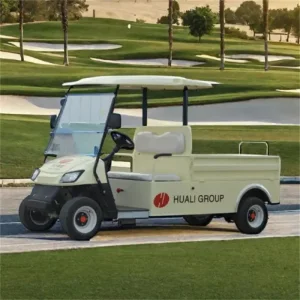
Cheap Cargo Electric Utility off Road Truck Golf Cart 48V Utility Gulf Cart Electric Golf Car Suppliers, Factory
View Vehicle Specs
ODM Low-Speed Electric Golf Car from China Suppliers - CE Approved 15-40km/H Beemotors G70-4+2 Factory Model Suppliers, Factories
View Vehicle Specs
China Wholesale 6 Seat Electric Golf Carts, 72V Lithium Customized Comfortable 4 Seat Electric Golf Buggy Supplier, Suppliers
View Vehicle Specs
Wholesale Electric Golf Cart 4seated Golf Buggy Sightseeing Bus off-Road 72vgolf Cart Manufacturers, Factory
View Vehicle Specs
Buy 72V AC Mini Electric Golf Cart for Sale - China Suppliers & Factory, 4-Seat Lithium Battery Model, CE Certified Suppliers, Factory
View Vehicle Specs
Best 72V Modern 6-Seater Electric Golf Cart - Factory Direct from China Suppliers, Ideal for On-Road and Off-Road Use Manufacturer, Suppliers
View Vehicle Specs
Wholesale Wholesale 6 Seat Electric Golf Carts from China Suppliers - Customized 72V Lithium Golf Buggy Factory Direct Supplier, Suppliers
View Vehicle Specs