
High-Torque & Speed-Enhanced Electric Vehicles
Direct factory wholesale lines configured for maximum velocity, robust uphill grading, and dependable high-duty cycles.
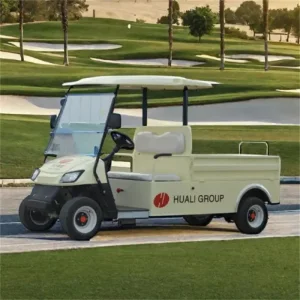

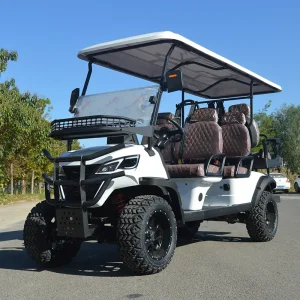
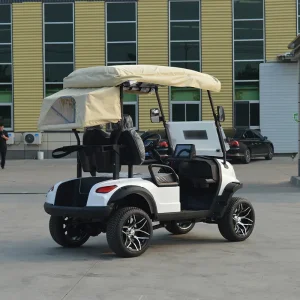

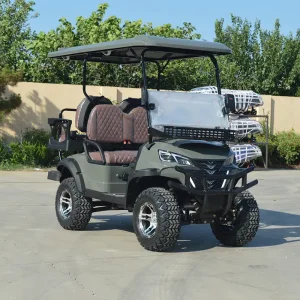
The Evolution of Velocity in Low-Speed Electric Vehicles
Moving beyond traditional 24km/h limits: How architectural breakthroughs in 72V synchronous motors and high-discharge lithium packs create the modern high-speed golf cart class.
High-Voltage 72V Topology
Traditional golf carts operate under 36V or 48V systems, which generate substantial I²R copper thermal losses when pushed past standard speeds. Our 72V architecture draws 33% less current at equivalent power outputs, keeping motor winding temperatures down and allowing continuous speeds of 40 km/h to 45 km/h without thermal throttling.
AC Induction vs PMSM Motors
Modern fast golf carts depend heavily on high-efficiency Permanent Magnet Synchronous Motors (PMSM) paired with intelligent Vector-Field Oriented Controllers (FOC). These digital controllers analyze motor phase current in real-time, delivering immediate uphill starting torque while maintaining smooth acceleration curve control.
Automotive Grade LiFePO4
Speed requires instant discharge C-ratings. Factory integration of high-density Lithium Iron Phosphate (LiFePO4) cells provides continuous discharge rates above 3C, eliminating the severe voltage sag typical of lead-acid batteries while reducing curb weight by up to 180kg for an immediate boost in power-to-weight ratio.
Localized Operational Scenarios for High-Speed Fleets
Commercial viability demands rapid turnaround, multi-terrain capability, and seamless adaptation across international regulatory landscapes.
Sprawling Luxury Resorts & Eco-Estates
Expansive holiday properties require swift passenger transit between villas, beaches, and golf courses. High-speed 72V buggies reduce transit latency across large acreage while the whisper-quiet AC powertrain preserves total ecological tranquility.
Master-Planned Gated Communities
Across North America, Southern Europe, and GCC countries, golf carts increasingly replace primary cars for neighborhood runs. Operating safely at 35–40 km/h with hydraulic disc brakes, these vehicles easily integrate into residential traffic without congesting secondary roads.
Industrial Campuses & Port Logistics
Heavy manufacturing plants, aviation hangars, and logistics hubs deploy multi-seat and cargo-bed electric utility trucks for perimeter security sweeps and express maintenance routing, clocking daily shifts up to 80 km on a single lithium charge cycle.
China's Industrial Ecosystem: Precision, Scale, and Supply Chain Mastery
Inside the Dezhou manufacturing hub: complete integration from high-tensile steel tubular chassis fabrication to automated robotic surface treatment.
Robotic Chassis Fixturing
Automated multi-axis welding fixtures ensure frame geometry tolerances within 0.5mm. Each chassis undergoes automotive electrophoretic dip deposition (e-coat), delivering a 1,000-hour salt spray rating essential for humid, ocean-front resort environments.
End-to-End Component Cluster
China's localized automotive supply chain provides immediate access to Tier-1 motor stators, digital FOC controllers, high-performance transaxles, and tier-one cylindrical or prismatic lithium cells, eliminating months of sub-assembly transit wait-times.
Flexible OEM & ODM Scalability
Whether configuring tailored 6-seater tourers, high-clearance off-road buggies with double wishbone suspension, or utility chassis with aluminum dump boxes, specialized tooling lets our factories adjust chassis wheelbases and seat configs within short cycle windows.
Engineering Architecture: Standard vs. Fastest-Tier Powertrains
Clear architectural benchmarks highlighting why next-generation 72V lithium drivetrains outperform legacy golf cart platforms across every mission-critical metric.
| Performance Specification | Legacy Fleet Standards | High-Speed 72V Lithium Platform (Fastest Series) |
|---|---|---|
| Nominal Voltage & Battery Architecture | 48V Flooded or AGM Lead-Acid (6x8V or 4x12V) | 72V Prismatic LiFePO4 with Integrated Smart CAN-BMS |
| Motor Output & Technology | 3.0kW – 3.8kW DC Series / Standard AC Induction | 5.0kW – 7.5kW Permanent Magnet Synchronous Motor (PMSM) |
| Sustained Top Speed | 19 – 24 km/h (Governed standard course speed) | 40 – 45+ km/h (Freely programmable via controller software) |
| Gradeability (Max Payload Slope) | 15% to 20% Gradeability (Severe speed loss on hills) | 25% to 35% Continuous Grade Climbing without overheating |
| Braking Subsystem | Rear Mechanical Drum Brakes | Four-Wheel Hydraulic Disc Brakes + Regenerative Motor Braking |
| Weight & Operating Efficiency | Curb weight 480kg+; ~6-8 hours recharging time | Curb weight 310kg; 2.5-3.5 hours rapid fast-charge capability |
International Homologation and Technological Roadmap
Ensuring compliance across diverse regional jurisdictions while driving continuous innovation in autonomous fleet controls and renewable integration.
Global LSV / NEV Compliance
Configured to meet strict US FMVSS 500 standards (Neighborhood Electric Vehicle requirements) and European Union L6e / L7e low-speed vehicle categories. Every factory model can be integrated with certified DOT-approved windshields, three-point safety belts, LED high/low beam headlights, dual side mirrors, and integrated rear cameras.
Telemetry & Fleet Management
Future fleets incorporate 4G IoT gateways with real-time geofencing, remote electronic speed throttling via cloud telemetry, and cell-level battery diagnostic alarms, granting fleet supervisors unified digital oversight over vehicle status and location.
Photovoltaic Solar Extended Range
Integrated flexible rooftop monocrystalline photovoltaic panels supply continuous trickle charge into the primary 72V pack, netting up to 15–20km of additional operational range during sunny outdoor duty cycles while reducing depot grid dependency.
High-Speed Utility, Sightseeing & Specialty Buggy Models
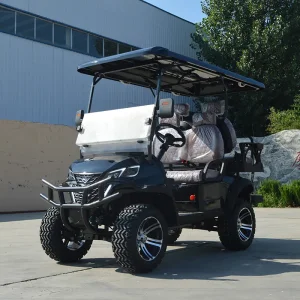
Direct supply options featuring versatile seating layouts, robust drivetrains, and CE-certified configurations ready for worldwide export.

Frequently Asked Questions for Fleet Buyers & Distributors
Essential guidance on safety engineering, speed regulation, battery choices, and international container shipping.