
Top Electric Sightseeing Vehicles for Mumbai Commercial Hubs
Engineered for high-torque urban transit, coastal resort shuttles, and zero-emission corporate campus transport across South Mumbai, Powai, and Navi Mumbai.
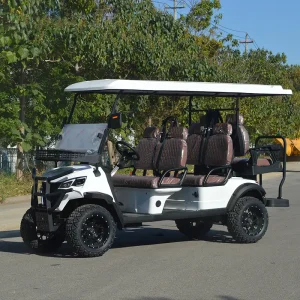
ODM Wholesale 6-Seat Electric Sightseeing Buggy - 72V Lithium Platform for Mumbai Resorts
View Spec Details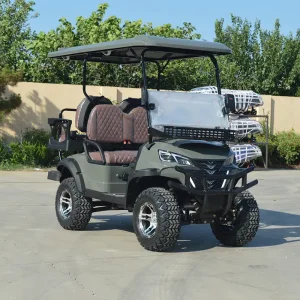
Compact 4-Seater Electric Sightseeing Vehicle with Heavy-Duty Lithium Battery for MMR Urban Estates
View Spec Details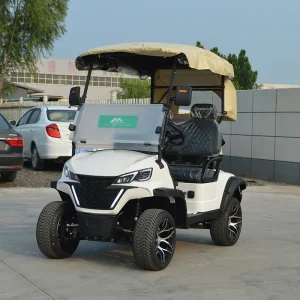
Wholesale 2-Seater Commercial Sightseeing Cart - Versatile G70 Low-Speed EV for Mumbai Port Zones
View Spec Details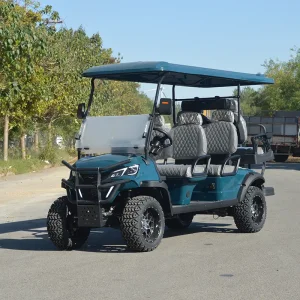
High-Torque 72V Modern 6-Seater Electric Sightseeing Bus - Factory Direct for Mumbai Waterfront Parks
View Spec DetailsMumbai Metropolitan Region: The Micro-Mobility Transformation
Analyzing the strategic intersection of industrial decarbonization, heritage tourism corridors, and tropical operational hurdles in India's financial capital.
Rapid Urban Electrification in Western Maharashtra
The Mumbai Metropolitan Region (MMR), encompassing Mumbai City, Mumbai Suburban, Thane, Raigad, and Navi Mumbai, represents the densest commercial corridor in South Asia. Under the aggressive mandates of the Maharashtra EV Policy 2025 and the national PM E-DRIVE initiative, commercial campuses, industrial logistics hubs, and recreational waterfronts are shifting away from internal combustion engine (ICE) utility carts and fossil-fueled mini-trams to zero-emission low-speed electric vehicles (LSEVs).
Operating low-speed passenger fleets in Mumbai presents distinct operational challenges unlike inland European or North American settings:
- Saline Marine Atmospheric Corrosion: The Arabian Sea coastline generates relentless airborne chlorides that corrode standard steel chassis within 18 months.
- Severe Monsoon Flooding: Monsoon conditions require IP67/IP68 sealed powertrains, elevated battery cradles, and water-wading thresholds exceeding 250mm.
- High Ambient Thermal Degradation: Sustained summer temperatures reaching 40°C–44°C necessitate automotive-grade LiFePO4 cells governed by liquid or smart air-chilled Battery Management Systems (BMS).
Coastal-Resilient Low-Speed EV Engineering
Purpose-built for demanding tropical environments, high humidity, and continuous multi-shift passenger shuttle schedules.
Cathodic Electrophoretic (E-Coat) Chassis
Our chassis undergo multi-stage zinc phosphating immersion followed by cathodic electrophoretic deposition (CED) coating, providing over 1,000 hours of ASTM B117 salt spray resistance against Mumbai's high-salinity marine air.
72V Automotive LiFePO4 Chemistry
Utilizing high-density Lithium Iron Phosphate (LiFePO4) with active thermal protection prevents thermal runaway even during peak Mumbai pre-monsoon heat waves, delivering 3,500+ charge cycles at 80% Depth of Discharge.
High-Torque AC Induction / PMSM Motors
Equipped with 5.0kW to 7.5kW enclosed AC induction and Permanent Magnet Synchronous Motors (PMSM), engineered to conquer steep gradients (up to 25%) found in Malabar Hill estates, Powai elevations, and Khandala resorts.
IP67 Submersible Powertrain Sealing
Controllers, throttle sensors, wire harnesses, and motor housings achieve IP67 ingress protection, ensuring trouble-free operation across waterlogged surfaces during heavy South-West monsoons.
Regenerative Braking Systems
Intelligent dual-circuit hydraulic four-wheel braking with electromagnetic motor recovery reclaims up to 15% kinetic energy during stops, reducing brake pad wear in dense stop-and-go tourist sites.
Integrated Monocrystalline Solar Roofs
Optional integrated flexible solar arrays built directly into the composite roof deliver an auxiliary 250W–400W continuous solar trickle charge, extending daily operating range by 15–20km under tropical sunshine.
Total Cost of Ownership (TCO): 5-Year Fleet Analysis
Quantitative lifecycle financial audit comparing Leibin 72V Lithium Sightseeing Shuttles with standard ICE/CNG utility vehicles operating in Mumbai campuses.
| Evaluation Parameter | Leibin 72V Lithium Shuttle (8-14 Seater) | Conventional Diesel / CNG Mini-Tram | Operational Impact & ROI Benefit |
|---|---|---|---|
| Initial Capital Expenditure (CapEx) | Moderate (Factory Direct Supply) | High (Engine + Exhaust Aftertreatment) | Lower initial import & acquisition overhead |
| Energy Cost / 100 Kilometers | ₹ 28 – ₹ 35 (Electricity @ ₹8/kWh) | ₹ 385 – ₹ 480 (Fuel @ Market Rate) | 88% reduction in recurring motive power cost |
| Scheduled Maintenance & Consumables | Zero engine oil, filters, belts, or spark plugs | Bi-monthly oil changes, cooling service, clutch | Saves ~₹65,000 per vehicle per annum in upkeep |
| Noise & Acoustic Signature | Silent Electric Drive (<48 dB at cruise) | Intrusive mechanical noise (>78 dB) | Essential for luxury resorts, hospitals, & zoos |
| Chassis Longevity in Saline Air | Cathodic E-Coat + Aluminum structural alloys | Standard painted mild steel (Early corrosion) | Extends asset depreciation cycle from 4 to 8+ years |
| Estimated 5-Year TCO per Unit | ₹ 8,40,000 (Including Battery Depreciation) | ₹ 19,20,000 (Fuel + Maintenance + Downtime) | Net 5-Year Savings: ₹ 10,80,000+ per vehicle |
Tailored Deployment Across Mumbai's Premier Sectors
Precision-engineered configurations addressing specialized passenger transit demands across the Western Coast.
Heritage Tourism & Waterfront Promenades
Ideal for historical pedestrian loops around South Mumbai—Colaba Causeway, Gateway of India, Girgaon Chowpatty, and Marine Drive. Low step-in clearance and whisper-quiet motors preserve civic tranquility.
Bandra-Kurla Complex (BKC) Corporate Transit
Zero-emission last-mile employee connector shuttles between metro terminals, high-profile corporate towers, and commercial exhibition zones across the BKC financial district.
Luxury Resorts: Alibaug & Khandala
Dedicated high-comfort guest shuttling for coastal villa estates in Alibaug and hillside resorts in Lonavala-Khandala. Premium leatherette seating, sound insulation, and high climbing torque.
Pilgrimage & High-Footfall Religious Corridors
Accessible elderly and disabled transit across dedicated corridors such as the Haji Ali Dargah promenade, Siddhivinayak temple complexes, and the Global Vipassana Pagoda in Gorai.
Higher Education & Medical Universities
Continuous daily loops throughout sprawling academic campuses like IIT Bombay (Powai), TISS, and extensive multi-building healthcare districts, providing clean, cost-effective campus transit.
JNPT Ports & Industrial Logistics SEZs
Safe supervisor inspection and worker transport within cargo logistics yards, bonded warehouses, and industrial parks across Navi Mumbai and the Taloja industrial cluster.
Engineering Roadmap: Telematics & Autonomous Transit
Pioneering intelligent connected fleet management for next-generation Smart City operations.
4G/5G Connected Fleet Telematics (IoT)
Modern low-speed vehicle fleet operations in institutional setups require real-time tracking, preventive health monitoring, and operational geofencing. Leibin electric sightseeing platforms integrate cellular telematics units (TCU) configured for Indian SIM carriers (Jio, Airtel, Vi):
- Real-Time SoC & Health Monitoring: Cloud monitoring of cell voltage delta, pack temperature, and remaining discharge capacity.
- Dynamic Geofencing & Speed Governers: Restrict vehicle speeds automatically to 15 km/h in pedestrian-heavy campus paths.
- Predictive Component Diagnostics: Over-the-air (OTA) notifications for brake pad wear, motor temperature warnings, and battery cell balancing.
This telematics layer provides municipal departments and private operators with comprehensive lifecycle metrics, reducing unplanned fleet downtime to near zero.
Homologation, CMVR, & Closed-Campus Compliance
Leibin electric sightseeing vehicles comply with global low-speed vehicle (LSV) engineering protocols and align with Indian automotive safety benchmarks:
- Central Motor Vehicles Rules (CMVR) Exemption: Vehicles capped under 25 km/h for off-highway closed campuses, resorts, and gated zones require zero registration hurdles.
- Automotive-Grade Safety Hardware: Equipped with laminated AS1 windshields, shatterproof side mirrors, 3-point inertia seatbelts, and automotive-grade LED illumination systems.
- Turnkey Export Documentation: Full CE certification, bill of lading, Certificate of Origin (COO), and localized HS Code mapping for streamlined customs clearance at Mumbai Port Trust (MbPT) and Nhava Sheva (JNPT).
Heavy-Duty Commercial Electric Sightseeing Platforms
Explore our full range of 2-seat, 4-seat, and 6-seat configurations optimized for Mumbai fleet sourcing.
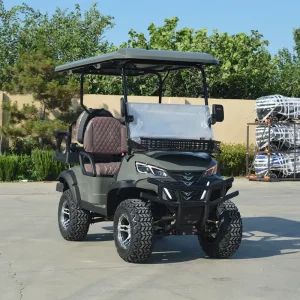
Wholesale 72V AC Mini Electric Sightseeing Cart - Gold Edition, CE Certified with Caddie Setup for Mumbai Clubs
View Spec Details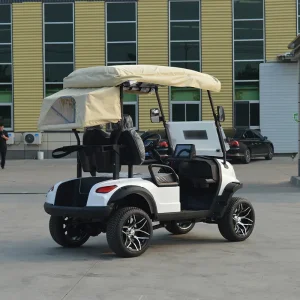
OEM Affordable 2-Seater Mini Electric Sightseeing Car - Agile Micro-Transit for Mumbai Campuses
View Spec Details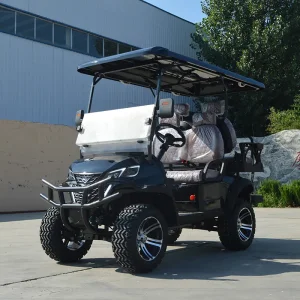
Heavy-Duty 4-Seater Electric Sightseeing Bus - Off-Road 72V Powertrain for Maharashtra Eco-Resorts
View Spec Details
72V Modern Style 6-Seat Electric Passenger Buggy - Factory Direct for Navi Mumbai Waterfront Complexes
View Spec Details
Commercial 72V AC 4-Seat Lithium Battery Passenger Cart - CE Certified for Mumbai Hospitality Operators
View Spec Details
Premium 72V AC 4-Seat Sightseeing Buggy - Direct Factory Supply for South Mumbai Luxury Estates
View Spec Details
Long-Range 72V Electric 4-Seater Sightseeing Buggy - 150 km Autonomy for Sprawling Maharashtra Parks
View Spec Details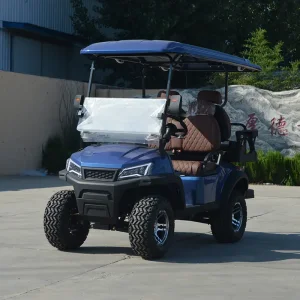
Flagship Leibin G90 72V Lithium Solar 4-Seater Sightseeing Cart - Solar Roof for Indian Tropical Climates
View Spec DetailsFrequently Asked Questions: Mumbai Fleet Sourcing
Comprehensive engineering, regulatory, and logistics answers for institutional buyers and procurement directors.
What are the import procedures, tariffs, and customs clearance options for Mumbai ports?
How do Leibin vehicles handle Mumbai's monsoon flooding and waterlogged roads?
What makes your chassis resistant to the salty marine atmosphere of Marine Drive and Alibaug?
Do low-speed electric sightseeing vehicles require RTO registration in Maharashtra?
Can we customize vehicles with custom branding, weather curtains, and luggage racks?
How are spare parts and technical service managed remotely for Mumbai operations?
Modernize Your Mumbai Commercial Fleet Today
Consult directly with our factory engineering team to configure 72V lithium sightseeing vehicles tailored to your site's gradients, passenger loads, and environmental conditions.
Send Inquiry Now