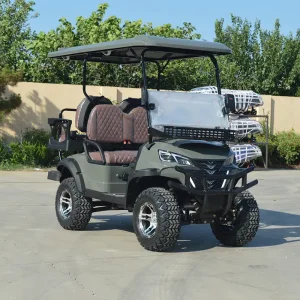
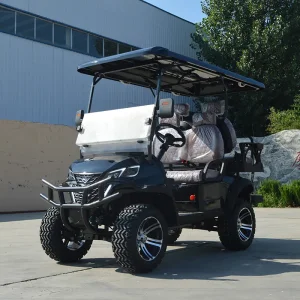
Featured Commercial Fleet Lineup
Factory-direct 72V/48V high-torque electric utility buggies, resort shuttles, and light utility cricket vehicles engineered for international terrain protocols and institutional reliability.

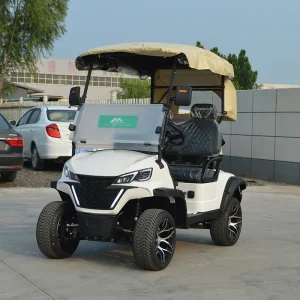
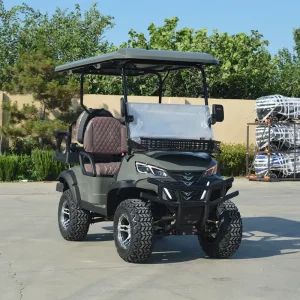
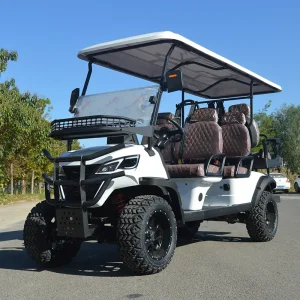
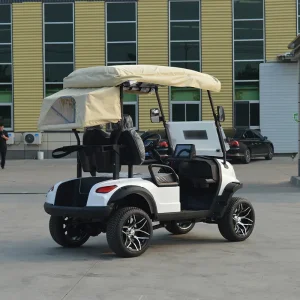
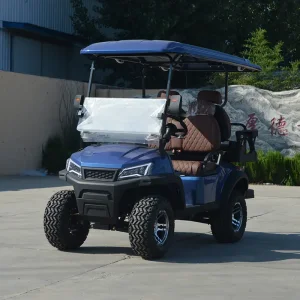

Navigating Enterprise Mobility & Cricket Buggy Demand
How high-density campus layouts, carbon neutrality pledges, and total cost of ownership (TCO) benchmarks are reshaping fleet acquisition strategies across commercial enterprises worldwide.
Institutional Campus Logistics
High-density facilities including luxury eco-resorts, universities, airports, and healthcare centers require whisper-quiet, zero-emission mini buggies capable of continuous 16-hour multi-shift operation with rapid turnarounds.
Total Cost of Ownership (TCO)
Transitioning from traditional lead-acid fleets to dedicated 72V lithium-ion platforms reduces lifecycle maintenance costs by up to 42%, virtually eliminates battery watering, and curtails parasitic powertrain losses.
Supply Chain Traceability
B2B procurement leaders demand single-source manufacturing integrity, eliminating intermediary trading markups while securing robotic frame welding consistency, CED anti-corrosion dipping, and direct OEM parts catalogs.
Mission-Critical Industrial Applications
Tailoring chassis dynamics, voltage thresholds, and safety redundancy to meet the extreme demands of diverse commercial and recreational operating environments.
Golf Clubs & Cricket Grounds
Precision turf-preserving low-ground-pressure tire profiles, regenerative braking to navigate undulating greens safely, and integrated equipment brackets engineered for sports management crews and players alike.
Heavy-Duty Industrial Complexes
Steel-reinforced flatbed modifications with 500kg+ payload tolerance, high-draw AC induction motors, and modular storage configurations built to withstand harsh warehouse and manufacturing atmospheres.
Resort Hospitality & VIP Escort
Sound-damped 6-seater passenger carriers fitted with independent front suspension, dual automotive paint coats, USB fast-charging ports, and ultra-plush marine-grade upholstery for premium guest transit.
Future-Proof LSV Powertrains & Smart Fleet Telematics
From photovoltaic trickle charging to CAN-bus IoT hardware, explore how Leibin leads technical evolution in light electric utility and personal transport vehicles.
Photovoltaic Solar Tops
Direct monocrystalline solar panel integration embedded into the rooftop structure. Generates continuous trickle charging under ambient sunlight, extending daily runtime by 15–22% while extending cell health.
Smart Fleet Management IoT
4G CAN-bus telematics gateways transmitting real-time state-of-charge (SoC), diagnostic error codes, geofenced electronic speed boundaries, and usage telematics straight to cloud management dashboards.
Hydroformed Lightweight Alloys
Transitioning from conventional structural steel to modular high-tensile hydroformed aluminum chassis, achieving a 25% dry weight reduction while maintaining exceptional torsional rigidity across rugged terrain.
Four-Wheel Hydraulic Disc Braking
Automotive-grade redundant braking architecture featuring electromagnetic automatic parking brakes, ensuring failsafe hold even when loaded to maximum gross weight on steep 30% inclines.
International Homologation & Field Support
Meeting worldwide municipal low-speed vehicle (LSV) requirements through certified hardware, localized export documentation, and comprehensive distributor toolkits.
FMVSS 500 & L6e/L7e Homologation
Custom factory configurations to ensure full adherence to US DOT FMVSS Part 571.500 and European Low-Speed Quadricycle regulations—including DOT windshields, 3-point seatbelts, side mirrors, and integrated lighting packages.
Knock-Down (CKD/SKD) Logistics
Flexible containerization programs offering fully assembled (CBU), semi-knocked-down (SKD), or complete knock-down (CKD) packing in heavy-duty steel crates to optimize freight rates and meet local assembly tax requirements.
Field Maintenance & Parts Logistics
Guaranteed replacement parts inventory with guaranteed dispatch timelines, interactive schematics, English diagnostic manuals, and factory-level video troubleshooting access for maintenance contractors.
Frequently Asked Inquiries from Fleet Buyers
Everything enterprise procurement directors, regional dealers, and facilities executives need to know before initiating low-speed electric car sourcing contracts.
What distinguishes professional Cricket Golf Car manufacturing from standard low-speed buggies?
Why is a 72V lithium setup superior to a 48V lead-acid system for commercial operations?
Can vehicles be certified for street-legal low-speed vehicle (LSV) operation?
What are the typical lead times, minimum order quantities (MOQ), and shipping configurations?
How does Leibin guarantee after-sales service and spare parts availability overseas?
Explore Additional Production Configurations
Compare our diverse selection of 2-seater runabouts, 4-passenger utility buggies, and high-capacity 6-seater multi-passenger transports built for global markets.