
High-Performance Electric Fleets & Hard-Cab Compatible Platforms
Explore factory-direct low-speed electric vehicles engineered with precision chassis mountings, reinforced pillar architectures, and factory-integrated golf car door systems built to withstand demanding fleet operating cycles.
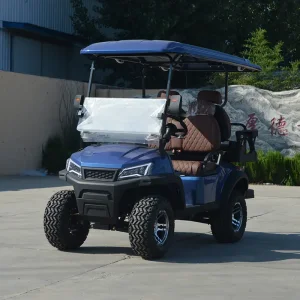
China Leibin (G90) 72V Lithium Battery Solar 4 Seaters off Road Electric Street Legal Golf Carts Manufacturers, Suppliers
View Technical Specs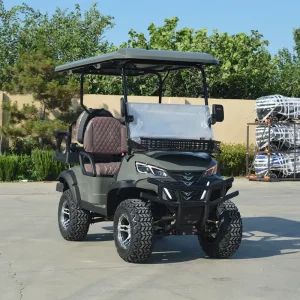
Buy 72V AC Mini Electric Golf Cart for Sale - China Suppliers & Factory, 4-Seat Lithium Battery Model, CE Certified Suppliers, Factory
View Technical Specs
Cheap China Supplier Factory Leibin G90 72V Lithium Battery Off-Road Electric Golf Cart - 4 Seaters, Solar Power, 35 km/h Speed Suppliers, Factory
View Technical Specs
Best China Suppliers Factory 72V AC Mini Electric Golf Cart 4-Seat Buggy Gold Color Lithium Battery CE Certified Manufacturers, Supplier
View Technical Specs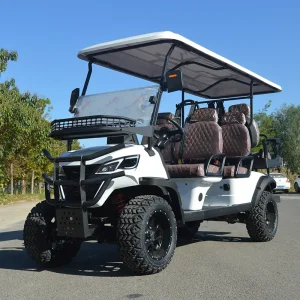
ODM Low-Speed Electric Golf Car from China Suppliers - CE Approved 15-40km/H Beemotors G70-4+2 Factory Model Suppliers, Factories
View Technical Specs
Buy 72V Modern 6-Seater Electric Golf Cart from China Suppliers | Reliable Factory Golf Buggy for On-Road & Off-Road Use Factory, Factories
View Technical Specs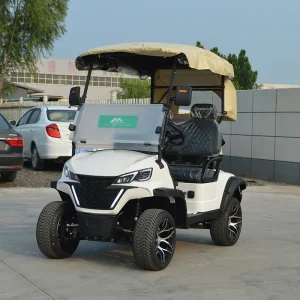
Best The Factory Directly Supplies 2-Seater Electric Sightseeing Cars, Golf Carts, Club Cars and Vans for Sale Manufacturers, Manufacturer
View Technical Specs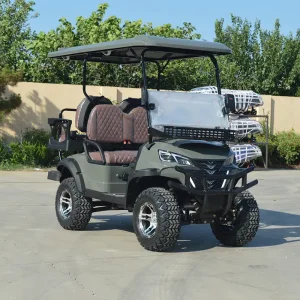
OEM Affordable China 4-Seater Electric Golf Cart - Off-Road Adventure with Custom Battery Options from Trusted Suppliers & Factory Manufacturers
View Technical SpecsEngineering Architecture of Modern Golf Car Doors & Enclosures
In low-speed electric vehicle (LSV) engineering, the vehicle door has transitioned from a crude, zip-up vinyl cover into an automotive-grade, structural modular system. As commercial fleets in golf resorts, planned communities, and municipal transit mandate year-round utilization, golf car door manufacturing requires rigorous metallurgical, aerodynamic, and polymer standards.
Rigid Thermoformed ABS/Polycarbonate Hard Doors
Fabricated using twin-sheet vacuum forming or reaction injection molding (RIM). Exterior surfaces feature automotive-grade UV-stabilized acrylic capping, preventing yellowing and micro-crazing under high-irradiance solar exposure. Structural hinges are bonded directly to reinforced internal composite ribs, providing anti-sag performance through 50,000+ cycle fatigue testing.
Extruded 6063 Aluminum Perimeter Framing
Door framing utilizes aeronautical 6063-T6 aluminum alloys subjected to precipitation hardening. The perimeter profile incorporates an integrated co-extruded EPDM double-bulb hollow weatherstripping channel. This design eliminates acoustic vibration (NVH dampening) while ensuring pneumatic sealing against high-pressure wind and horizontal rainstorms.
DOT AS-2 Automotive Glass & Hard-Coat Polycarbonate
Fleet operators can specify laminated or tempered safety glass conforming to ANSI Z26.1 and UNECE R43 certifications, or optical-grade SABIC Lexan™ polycarbonate treated with bilateral polysiloxane hard-coating. The latter delivers 250 times the impact resistance of float glass while maintaining a 4H pencil surface hardness against scrub and debris scratches.
Why China’s Dezhou Industrial Belt Dominates Global Golf Car Door Supply
Procuring golf car doors and modular cab enclosures requires proximity to raw metallurgical refinement, chemical polymers, tooling dies, and integrated vehicle chassis assembly. Dezhou, Shandong stands as China’s central nexus for specialized low-speed electric vehicle components.
End-to-End Vertical Tooling
Our Dezhou facilities maintain internal mold design, CNC machining centers, and 2500-ton hydraulic press dies. This eliminates third-party tooling markups and compresses prototype tooling lead times from 16 weeks down to 21 business days.
Automotive Paint & E-Coat
Equipped with automated continuous electrophoretic coating (E-coat) lines and dual-component polyurethane robotic spray booths. Door metal surfaces endure 1,200 hours of neutral salt spray testing (ASTM B117) without blister or creepage.
Sub-Component Ecosystem
Within a 50-kilometer radius, Tier-2 suppliers provide automotive rotary latches, tempered window channels, hydraulic gas struts, and micro-switch interlocks, delivering an unmatched just-in-time (JIT) production cadence.
Extreme Cost Efficiency
Scale economies and advanced assembly line balancing reduce door assembly procurement costs by 35% to 50% compared to European or North American domestic aftermarket fabricators, without compromising dimensional integrity.
Comparative Architectural Analysis: Golf Car Door Systems
B2B fleet buyers, municipal tenders, and golf cart conversion workshops must evaluate door assemblies across structural stiffness, thermal performance, ingress sealing, and long-term maintenance overhead.
| Evaluation Parameter | Modular Hard-Cab Composite Doors | Framed Sliding Polycarbonate Doors | Marine-Grade Soft Vinyl Enclosures | Roll-Up Clear Polymer Weather Curtains |
|---|---|---|---|---|
| Structural Integrity | High: Aluminum internal sub-frame with rigid exterior composite shell | Medium-High: Extruded aluminum alloy frame with high-stiffness runners | Low: Flexible reinforced polyester fabric over steel tubing | Minimal: Hanging curtain with track guides or velcro hold-downs |
| Weather Sealing (IP) | IP65 Certified Automotive hollow EPDM bulb gasket | IP54 Rated High-density nylon brush & silicone wiper | IP43 Splashproof Heavy-duty #10 marine coil zippers | IP32 Basic Snap buttons or magnetic perimeter seals |
| Security & Locking | Automotive slam-latches with keyed deadbolts or RFID integration | Keyed cylinder cam locks integrated into window track frame | Padlockable zipper sliders (deterrent only; easily bypassed) | Non-lockable; open access when unattended |
| Window Glazing Spec | DOT AS-2 tempered glass or dual-coated optical polycarbonate | SABIC hard-coated anti-scratch shatterproof polycarbonate | 0.75mm to 1.0mm marine-grade polished clear PVC film | 0.5mm clear vinyl sheeting (prone to UV clouding) |
| Thermal Insulation | Superior (supports 500W-1200W electric cabin heating/AC) | Moderate (prevents ambient draft; minimal conductive barrier) | Poor (retains minor heat; substantial solar radiation gain) | Negligible (acts solely as an aerodynamic wind barrier) |
| Expected Service Life | 10 - 15 Years (commercial fleet lifecycle compliant) | 8 - 12 Years (sliding tracks require periodic cleaning) | 3 - 5 Years (zipper failure, vinyl clouding, fabric fraying) | 2 - 3 Years (susceptible to tearing, shrinkage, and UV embrittlement) |
Localized Support & Global Homologation Frameworks
Exporting low-speed electric vehicles with enclosed cab architectures requires strict adhesion to regional transportation authorities. Our engineering division pre-validates all door mechanisms against mandatory safety mandates.
USA: FMVSS 500 & SAE J2358 Conformance
For street-legal Low-Speed Vehicles (LSV) operating at speeds up to 25 mph (40 km/h) under United States Department of Transportation (DOT) guidelines. Door latch systems comply with FMVSS 206 inertia resistance standards, ensuring doors remain mechanically locked during dynamic vehicle rollover or side-impact occurrences. Glazing bears indelible AS-1 or AS-2 DOT stamps.
European Union: EEC L6e / L7e Directives
Adheres to Regulation (EU) No 168/2013 for light and heavy quadricycles. Door hardware includes interior double-release emergency escape mechanisms, sharp-edge radiusing (ECE-R21 interior fittings compliance), and non-combustible synthetic polymer testing per ISO 3795 flammability criteria. E-mark certified laminated windscreens and rear-view mirrors are standard.
Australasia & GCC Middle East Specifications
Complies with Australian ADR safety requirements and GCC GSO standards for extreme thermal durability. Exterior polymer door skins resist continuous operational surface temperatures exceeding 85°C without warping, while heavy-tinted UV400 glazed side glass limits infrared transmission into the driver cockpit during desert patrol duties.
Localized Application Scenarios & Operational Case Studies
Commercial golf car doors serve diverse functional roles based on geographical climate zones, security levels, and passenger transportation duty cycles.
Alpine & Northern Winter Fleets
Operated in ski resorts across Scandinavia, Canada, and Northern Japan. Hard-cab doors are insulated with closed-cell polyolefin foam, paired with defrost-vented glass windshields and high-wattage PTC ceramic heaters. Doors prevent sub-zero chill winds from draining lithium-ion battery operational efficiency while keeping luxury guests warm.
High-Humidity Coastal Resorts & Islands
Caribbean, Southeast Asian, and Mediterranean island resorts face severe airborne salinity. Our doors utilize passivated 316-grade stainless steel hinge pins, anodized aluminum frames, and electro-galvanized fasteners. The sealed enclosure eliminates moisture intrusion into under-seat AC motor controllers, reducing electrical harness oxidation.
Industrial Campuses & Security Patrols
Petrochemical complexes, international airports, and corporate research parks require tamper-proof security and weather-sealed tool storage. Enclosed hard doors feature integrated RFID card sensor locks, central locking keyfobs, and tinted privacy glass, safeguarding high-value emergency diagnostic gear and surveillance hardware.
Emerging Technology Trends in Golf Car Door Systems
The global transition toward autonomous low-speed transit, IoT fleet telematics, and ultra-lightweight EV platforms is directly altering how vehicle doors are conceived, constructed, and serviced.
Quick-Release Modular “All-Season” Door Hinges
Fleet operators no longer tolerate fixed doors during peak summer golfing months. Emerging golf car door designs employ quick-disconnect, toolless stainless hinge pins paired with weather-sealed electrical disconnect plugs. In less than 3 minutes per side, maintenance staff can lift off the rigid hard doors for breezy summer play and reinstall them for blustery autumn and winter rental operations.
Integrated IoT Ajar Sensors & Smart Telematics
Modern resort management platforms demand real-time telemetry on every vehicle in service. Next-generation door latching assemblies incorporate magnetic reed switches and Hall-effect sensors wired to the CAN-bus architecture. If a passenger fails to close a rear cabin door firmly, the motor controller automatically engages a speed limiter (5 km/h creep mode) and flashes an alert to the driver dashboard.
Carbon-Reinforced Composites for Range Preservation
Adding a fully enclosed four-door hard cab to a golf car traditionally added 60–90 kg of curb weight, diminishing per-charge battery range by up to 18%. By leveraging carbon-fiber reinforced thermoplastics (CFRTP) and hollow structural aluminum dies, contemporary tier-1 door packages weigh under 32 kg total, maintaining high range autonomy on 72V lithium platforms.
Solar-Sensing Electrochromic Glazing
Premium gated community vehicles and executive resort VIP shuttles are adopting electrochromic side window glass. Activated via an overhead touchscreen or ambient light sensors, the glass electronically transitions from 80% visual transparency down to 10% dark tinting in under 20 seconds, significantly lessening cabin air-conditioning electrical draw.
Frequently Asked Questions by Global Fleet Sourcing Directors
Comprehensive technical and logistical answers regarding golf car doors, modular retrofit kits, container loading, and custom factory tooling.
Can your modular golf car doors be retrofitted onto older fleet models?
Yes. Our engineering department designs standardized mounting bracket adapter kits tailored to common structural pillar geometries (including Club Car Precedent/Onward, EZGO TXT/RXV, Yamaha Drive/Drive2, and Leibin G-Series chassis). Retrofits utilize existing roof pillar bolt locations without requiring permanent frame welding or structural alteration.
What is the minimum order quantity (MOQ) for custom OEM color matching?
For standard powder-coated black, automotive white, or silver finishes, our MOQ starts at 5 vehicle sets (10 to 20 doors). For custom bespoke pantone color matching, metallic flake finishes, or high-definition hydro-dipped camouflage patterns, our standard factory tooling MOQ is 20 vehicle sets, supported by free pre-production color chip verification.
How do you safeguard tempered glass door panels during international container shipping?
All glass and composite door components are individually wrapped in 5mm protective PE foam wrap, fitted with high-density EPE molded corner bumpers, and packed in reinforced honeycomb crates or heavy-duty steel skeleton freight frames. Crates are desiccated to prevent oceanic humidity condensation and secured with heavy-duty ratchet banding inside 20GP or 40HQ containers.
What warranty coverage applies to latch mechanisms, hinges, and weather seals?
Leibin provides a comprehensive 3-year structural warranty on all aluminum door framing, CNC hinges, and composite shells. Rotary latch mechanisms, gas lifters, and window sliding tracks carry a 2-year full-replacement commercial warranty. We ship a complimentary 3% critical wear-parts buffer package (latches, weatherstrip rolls, and keys) with every full-container order.
Are your door systems compatible with aftermarket HVAC and air-conditioning units?
Yes. Our IP65 hard-cab door enclosures are specifically engineered to create an airtight thermal envelope necessary for both 48V and 72V DC compressor air conditioning systems or PTC electric resistance heating ducting. Dual bulb EPDM gaskets prevent thermal leakages, keeping cab temperatures stable even in 45°C ambient desert heat.
Can doors be equipped with sliding ventilation windows for temperate seasons?
Absolutely. Fleet buyers can configure horizontal sliding window panes featuring dual-position thumb latches and fine-mesh insect screens. Glazing can be ordered in crystal clear or 20% to 50% dark smoke tints to reduce solar glare and passenger thermal loading.
Heavy-Duty Utility buggies & Extended Multi-Passenger Shuttles
Explore our specialized industrial cargo haulers, 6-seat community shuttles, and light utility carts fully engineered for custom door integration, hard cab enclosures, and extreme operating conditions.
Cheap Cheap Small 4 Seater Electric Golf Carts, Golf Cart Battery, off Road Golf Carts Factory, Factories
View Technical Specs
OEM Wholesale Electric Golf Carts from China Suppliers, 72V Lithium 6 Seat Golf Buggy Factory Made for Comfort and Performance
View Technical Specs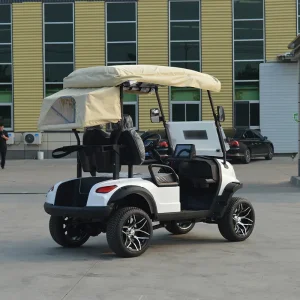
China Affordable Electric 2 Seater Mini Sightseeing Car Golf Cart from China Suppliers and Factory Supplier, Factories
View Technical Specs
Cheap Wholesale China 6 Seat Electric Golf Carts, 72V Lithium Battery, Comfortable Customized Golf Buggy from Suppliers & Factory
View Technical Specs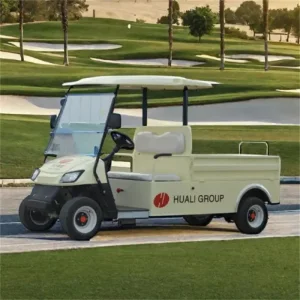
Cheap Cargo Electric Utility off Road Truck Golf Cart 48V Utility Gulf Cart Electric Golf Car Suppliers, Factory
View Technical Specs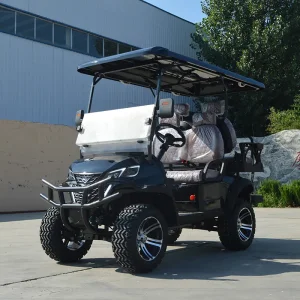
Wholesale Electric Golf Cart 4seated Golf Buggy Sightseeing Bus off-Road 72vgolf Cart Manufacturers, Factory
View Technical Specs
China Wholesale 6 Seat Electric Golf Carts, 72V Lithium Customized Comfortable 4 Seat Electric Golf Buggy Supplier, Suppliers
View Technical Specs