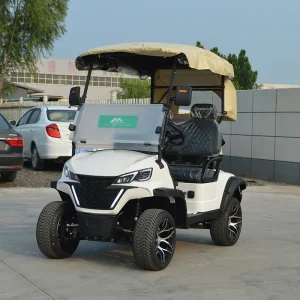
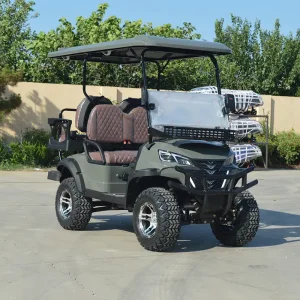
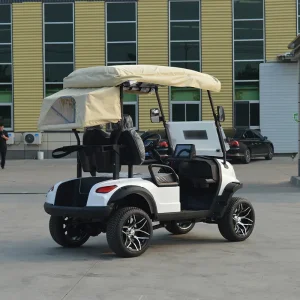
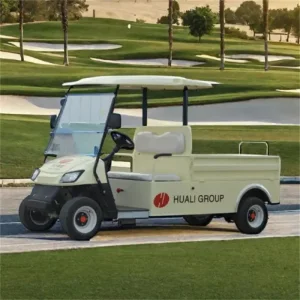
High-Torque Electric Patrol & Multi-Mission Vehicle Selection
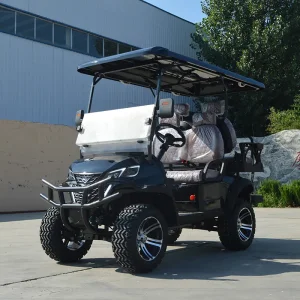
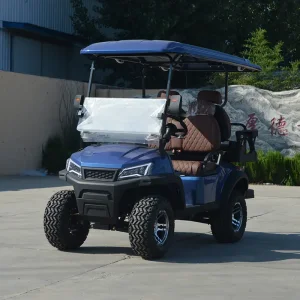
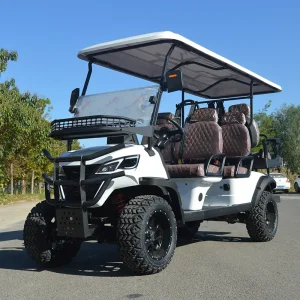
Commercial-grade 48V to 72V chassis configured for high-frequency patrol duties, public safety sweeps, resort perimeter security, and all-terrain perimeter access.



The Global Shift Toward Electric Security Patrol Fleets
A rigorous examination of corporate security expenditure, low-speed vehicle (LSV) regulatory dynamics, and zero-emission operational transitions.
Corporate ESG & Decarbonization Mandates
Global Fortune 500 manufacturing plants, airport terminals, international logistics hubs, and mixed-use commercial developments are aggressively sunsetting internal combustion engine (ICE) patrol units. Electric patrol buggies and specialized low-speed electric vehicles (LSEVs) eliminate idling emissions completely, dropping municipal facility carbon footprints while adhering directly to Scope 1 emissions reduction goals.
Total Cost of Ownership (TCO) Transformation
Security duty cycles are fundamentally characterized by low-speed crawl speeds, continuous stop-and-go maneuvers, and lengthy stationary observation periods. Running traditional combustion engines under these duty conditions induces catastrophic engine carbonization and rapid component wear. In contrast, 72V lithium LiFePO4 electric platforms yield a 65% to 75% plunge in maintenance overhead, eliminating oil changes, transmission rebuilds, and idle-fuel waste.
Acoustic Stealth & Operational Tact
Modern law enforcement, university campus monitoring, gated community security, and private estate protection increasingly demand near-silent surveillance. High-efficiency AC brushless induction motors provide silent acceleration, allowing patrol officers to execute perimeter checks, investigate disturbances, and navigate sensitive medical or residential zones without disrupting residents or alerting intruders.
Powertrain Topologies: 48V vs. 72V Architecture Evaluation
A rigorous engineering comparison determining torque delivery, thermal dissipation, battery duty cycles, and field longevity across high-utilization security operations.
72V AC High-Torque Motors
By elevating system voltage to 72V, electrical current draw is reduced significantly under equal wattage, resulting in lower resistive heat (I²R loss), preserved wire harnesses, and sustainable high-torque output across 25% to 30% incline gradients in mountainous resorts or industrial dumps.
Lithium Iron Phosphate (LiFePO4)
Unlike antiquated flooded lead-acid systems requiring daily acid topping and ventilation checks, LiFePO4 cells maintain intrinsic chemical stability, offer up to 4,000 charge cycles, support opportunity fast-charging during guard shifts, and feature IP67-rated integrated Smart BMS.
Automotive E-Coat Anti-Corrosion
Security chassis are fabricated with robotic welding fixtures, high-tensile carbon steel, and immersed in high-performance electrophoretic coating (E-coat). This level of industrial passivation safeguards undercarriages against marine saltwater spray, petrochemical vapors, and chemical de-icing salts.
Solar Trickle Range Extenders
Commercial rooftop solar arrays integrated directly into structural canopy frames supply continuous photovoltaic trickle charge to the main pack or auxiliary surveillance accessories (strobe lightbars, PA sirens, mobile NVRs), extending operational patrol shifts by up to 20% on sunny days.
Macro Industry Solutions & Operational Deployments
Real-world integration workflows demonstrating how electric patrol vehicles serve as mobile deterrence hubs, rapid incident response assets, and logistics monitoring platforms.
Industrial Parks & Petrochemical Refineries
For expansive 200+ acre industrial zones, chemical distribution facilities, and port facilities, vehicles must feature intrinsically safe wiring options, explosion-proof lightbar enclosures, and auxiliary power banks for air-monitoring sniffers. These platforms run 24/7 round-the-clock rotations with standardized rapid battery-swapping modules or high-amp industrial chargers.
Gated Communities, Luxury Resorts & Estates
Hospitality environments mandate whisper-quiet motion, superior suspension dynamics (independent MacPherson strut front assemblies), and customized aesthetic packages. Vehicles maintain constant perimeter visibility while seamlessly doubling as emergency guest transport or first-aid dispatch support without creating exhaust fumes near dining and lodging quarters.
Colleges, University Campuses & Hospitals
In high-density pedestrian settings, standard passenger trucks pose blind-spot hazards. Low-speed electric security buggies provide 360-degree driver sightlines, tight turning radiuses under 3.5 meters, low front-end profiles, and immediate sidewalk accessibility to navigate narrow bollards, paved walking plazas, and multi-level parking ramps safely.
Next-Generation Technology: Smart Telematics & Autonomous Patrol
The convergence of connected IoT sensors, edge-AI computer vision, and automated patrolling hardware transforming low-speed security assets.
Cellular IoT Fleet Telematics
Modern commercial patrol units incorporate CAN-bus cellular telematics modems. Fleet control centers monitor battery state-of-charge (SoC), real-time GPS breadcrumbs, driver braking behavior, impact sensor triggers, and automated geofencing breaches in real time.
AI License Plate Recognition (ALPR)
Forward-facing and omnidirectional high-definition optical cameras integrated directly into the roof canopy leverage on-vehicle NPU processors to perform high-speed license plate scanning and facial verification, cross-referencing trespass databases instantly during perimeter sweeps.
Level 4 Autonomous Waypoint Routing
The sector is actively transitioning toward driverless autonomous security vehicles equipped with multi-channel solid-state LiDAR, ultrasonic sensors, and RTK-GNSS receivers capable of executing programmed night-shift perimeter sweeps without human pilot intervention.
Vehicle-to-Infrastructure (V2X) Sync
Patrol units automatically synchronize with perimeter gates, automated bollards, RFID checkpoints, and corporate security operations center (SOC) software, allowing one-touch wireless emergency lockdown and rapid route dispatch during priority alarms.
Overseas Sourcing & Homologation Standards
Crucial engineering compliance parameters every B2B procurement team must verify prior to issuing factory-direct purchase contracts.
FMVSS 500 & SAE J2358 Alignment
For buyers targeting the North American Low-Speed Vehicle (LSV) market, patrol units must be engineered to comply with Federal Motor Vehicle Safety Standard No. 500. This requires certified laminated AS1 windshields, 3-point DOT-approved seat belts, specific exterior rear-view mirrors, high-mounted brake lamps, reflex reflectors, parking brake indicators, and strict speed-governor calibration under 25 mph (40 km/h).
European Union L6e / L7e Homologation
European municipal and industrial clients require compliance with EU Regulation 168/2013 for light quadricycles. Factory-built configurations must feature E-mark certified glass, lighting arrays, electromagnetic compatibility (EMC) testing certificates, dual-circuit hydraulic braking performance verification, and standardized horn dB outputs.
SKD / CKD Packing & Tariff Optimization
Direct manufacturer relationships afford Semi-Knocked Down (SKD) or Completely Knocked Down (CKD) export options. Shipping vehicles in custom welded steel cages maximizes 40HQ container cube utilization (packing up to 18–24 units per box), slash ocean freight costs, and decrease customs tariff brackets substantially across emerging markets.
Frequently Asked Questions on Sourcing & Manufacturing
Technical and commercial answers addressing powertrain selection, factory customization capabilities, battery maintenance, and warranty protections.
What separates a commercial electric patrol vehicle from a standard consumer golf cart?
Why should enterprise buyers specify 72V lithium instead of traditional 48V lead-acid batteries?
Can our security organization order custom livery, equipment mounts, and tactical lightbars (OEM/ODM)?
What is the typical lead time and international container shipping capacity for fleet orders?
What warranty and long-term spare-parts continuity are provided by the manufacturing plant?
Commercial Utility & Specialized Sightseeing Vehicle Solutions
Explore heavy-payload utility haulers, enclosed cargo buggies, compact perimeter cruisers, and extended-wheelbase passenger shuttles engineered for industrial performance.