
Engineered Low-Speed Electric Fleet Vehicles
Explore our flagship 48V and 72V commercial golf buggies, utility transporters, and 6-seater multi-passenger coaches designed for heavy-duty resort, golf course, and campus operations.
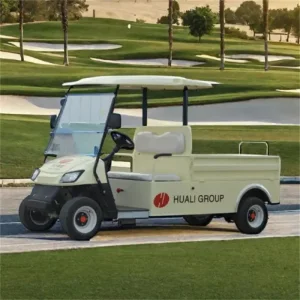
Cargo Electric Utility Off-Road Truck Golf Cart 48V
View Product Specs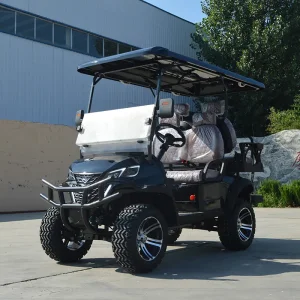
72V 4-Seater Off-Road Buggy (35 km/h, 150 km Range)
View Product Specs
Wholesale 6-Seat Electric Golf Cart 72V Lithium Customized
View Product Specs
Customized 72V Lithium Golf Buggy 6-Seater Direct Supply
View Product Specs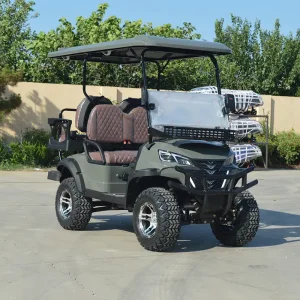
Compact 4-Seater Electric Golf Cart Off-Road Platform
View Product Specs
OEM Affordable 4-Seater Off-Road Adventure Electric Cart
View Product Specs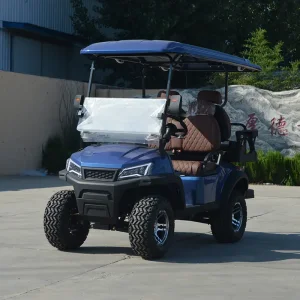
Leibin G90 72V Solar Lithium 4-Seater Street Legal Golf Cart
View Product Specs
72V AC Mini Electric 4-Seat Golf Buggy (CE Certified, Gold)
View Product SpecsThe Global Shift Toward 6-Seater Electric Low-Speed Vehicles (LSVs)
Analyzing the transition from recreational turf buggies to multi-passenger institutional workhorses across global resorts, smart gated townships, and commercial facilities.
The global low-speed vehicle (LSV) and commercial golf cart industry is undergoing an unprecedented structural transition. Historically confined to traditional 18-hole golf courses as lightweight 2-passenger conveyances, electric utility carts have rapidly evolved into high-capacity, multi-passenger transit platforms. Today, the Electric 6-Seater Golf Cart represents the fastest growing sub-segment across North American master-planned communities, Caribbean luxury resorts, Middle Eastern eco-tourism mega-projects, and European municipal zones.
This rapid proliferation is catalyzed by two converging macro factors: the worldwide decarbonization mandates driving internal combustion engine (ICE) phase-outs, and the operational necessity for cost-efficient, high-density intra-campus mobility. Operating a full-sized passenger van or diesel minibus inside eco-sanctuaries, luxury beach resorts, or pedestrianized hospital networks incurs prohibitive capital expense, disruptive noise pollution, and hazardous tailpipe emissions. In contrast, heavy-duty 6-seater low-speed electric vehicles deliver near-silent zero-emission passenger shuttling with a fractional Total Cost of Ownership (TCO).
Regulatory Homologation Compliance: FMVSS 500 & European L7e-CP Standards
Modern commercial procurement protocols require thorough alignment with international low-speed motor vehicle regulations. In the United States, 6-seater LSVs must comply with Federal Motor Vehicle Safety Standard (FMVSS) No. 500 (49 CFR 571.500), incorporating DOT-rated AS4 windshields, 3-point ELR seatbelts, side mirrors, backup cameras, and calibrated speed governance capped at 25 mph (40 km/h). In the European Union, homologation under Regulation (EU) No 168/2013 category L7e ensures road legality across mixed-traffic municipal environments.
High-Voltage 72V Lithium Architecture
Legacy 48V lead-acid configurations struggle under the strain of 6 adult passengers (nominal payload ~500–600 kg). Modern Chinese factories lead the integration of 72V LiFePO4 (Lithium Iron Phosphate) powertrains, operating at lower amperage to eliminate overheating, provide instant torque for 25%+ climbing gradients, and deliver over 3,500 continuous charging cycles without electrolyte maintenance.
Automotive-Grade Structural Rigidity
Expanding chassis length to accommodate three rows of forward- and flip-flop rear-facing passenger seating introduces severe torsional stress. Advanced tier-1 Chinese manufacturers utilize automated robotic CO2 shielded welding, laser-cut high-tensile tubular carbon steel, and cathodic electrodeposition (e-coating) that easily withstands 1,000+ hours of ASTM B117 salt spray exposure in coastal resort environments.
Intelligent AC Vector & CAN-Bus Control
Replacing antiquated DC series motors, high-efficiency AC asynchronous or Permanent Magnet Synchronous Motors (PMSM) paired with programmable Curtis or Enpower controllers utilize high-speed CAN-bus networks. This enables seamless regenerative braking, descent hill-hold assist, smart fleet telemetry, and real-time battery cell balance monitoring via integrated cloud telematics.
China's Industrial Ecosystem & Cost-to-Performance Leadership
Why Tier-1 Chinese manufacturing clusters in Shandong, Jiangsu, and Zhejiang dominate global electric multi-passenger vehicle production through extreme supply chain concentration.
When global commercial buyers evaluate electric vehicle procurement, the distinct structural advantages of Chinese manufacturing extend far beyond nominal labor differentials. The Chinese light electric vehicle industrial cluster—anchored predominantly in provinces like Shandong (Dezhou, Jinan) and Jiangsu—features the highest supply-chain density on the planet. Over 92% of the critical sub-assemblies required to manufacture a 6-seater electric golf cart are produced within a 150-kilometer radius of the final assembly plants.
This geographic concentration creates unmatched supply-chain elasticity. Lithium cell packaging (CATL, EVE, Guoxuan), precision drivetrain casting, thermoformed automotive-grade PP body panels, wiring harness fabrication, and hydraulic disc brake manufacturing occur in localized synchrony. Consequently, capital delivery turnaround times for complete SKD/CKD container shipments shrink by 60% compared to Western assembly plants that rely on fragmented international component logistics.
| Evaluation Parameter | China 72V LiFePO4 6-Seater (e.g., Leibin OEM) | Western OEM 48V Lead-Acid 6-Seater | Industrial Operational Impact |
|---|---|---|---|
| Battery Chemistry & Cycle Life | LiFePO4 (3,500 - 4,500 Cycles to 80% DoD) | Flooded Lead-Acid / AGM (500 - 750 Cycles) | Zero water replenishment; 7-year continuous operational lifespan vs 2-year replacement cycle. |
| Powertrain Nominal Voltage | 72V High-Voltage AC PMSM (5.0 kW - 7.5 kW) | 48V Shunt / AC Motor (3.3 kW - 4.0 kW) | 35% lower current draw at equivalent wattage, drastically reducing I²R heat build-up and cable strain. |
| Gradeability (Max Payload: 550kg) | 25% - 30% Continuous Incline | 14% - 18% Slope Threshold | Capable of ascending steep hillside resort gradients with 6 full-sized passengers without thermal throttling. |
| Chassis Protective Coating | Cathodic Electrodeposition (E-Coat) + Powder Paint | Standard Spray Primer / Powder Coat | Guaranteed corrosion resistance against sea spray, humidity, and chemical fertilizer runoff on turf. |
| Braking Architecture | 4-Wheel Hydraulic Disc + Electro-Magnetic Park | Rear Drum Brakes + Mechanical Parking Lock | Stopping distances reduced by 42% on wet or descending asphalt surfaces under full operational payload. |
| Procurement Capital Cost (Per Unit) | $4,200 - $6,800 USD (Direct Factory FOB) | $12,500 - $16,500 USD (Dealer Network Markup) | Unlocks superior ROI, allowing commercial fleets to double vehicle deployment density within identical capital budgets. |
High-Density Commercial & Institutional Application Scenarios
How global organizations leverage 6-passenger electric platforms to maximize transit throughput, guest satisfaction, and operational efficiency.
Luxury Resorts & Hospitality Enclaves
Five-star beach retreats in the Maldives, Bali, and Riviera Maya require whisper-quiet guest transport between private villas, dining halls, and beach pavilions. Six-seater electric buggies configured with plush marine-grade vinyl upholstery, onboard USB fast chargers, silent AC motors, and rear flip-flop seating (convertible into a luggage cargo deck) guarantee effortless VIP hospitality without intrusive engine exhaust or vibration.
Master-Planned Townships & Retirement Communities
In Sunbelt developments (Florida, Arizona) and Middle Eastern master communities (Dubai Hills, Riyadh suburbs), 6-seater LSVs serve as primary micro-transit vehicles. Street-legal configurations equipped with automotive-approved DOT glass, LED turn indicator arrays, perimeter daytime running lights, and electronic speed governance (25 mph) provide a safe, accessible intra-neighborhood transit solution for families and active seniors.
Industrial Mega-Campuses & Airport Facilities
Large manufacturing plants, semiconductor fabrication zones, and airside ground operations require constant mobility for technical teams, clients, and security personnel. Six-seater utility platforms fitted with heavy-duty bumper guards, roof-mounted amber strobe beacons, and bidirectional solar canopies offer relentless 24/7 duty cycles across multi-kilometer hangars and paved industrial zones with near-zero scheduled maintenance downtime.
Advanced Technological Trajectories in 6-Seater LSV Design
Engineering innovations shaping modern Chinese electric cart manufacturing: Photovoltaic range extension, active telematics, and regenerative braking dynamics.
The electric 6-seater golf cart is no longer a simple mechanical chassis wired to a rheostat motor. Leading Chinese manufacturers are integrating cutting-edge automotive electronic architectures into their flagship series (such as the Leibin G80 and G90 lines). These innovations address the three most significant historical fleet failure points: battery degradation, chassis corrosion, and uncontrolled rollaways on hilly resort terrain.
Photovoltaic Range Extenders & Smart Fleet Telematics
One of the most notable manufacturing frontiers is the direct integration of monocrystalline solar canopies. By molding high-efficiency 300W-550W flexible solar arrays into the extended 6-passenger ABS/PP composite hardtop roofs, vehicles continuously absorb ambient solar energy. In sunny climates (e.g., California, Spain, Queensland, UAE), this trickle-charging mechanism adds 15–25 km of supplementary daily range while vehicles sit parked outside, drastically reducing grid reliance and prolonging lithium cell cycle integrity.
Furthermore, cloud-connected IoT telematics modules provide commercial operators with centralized oversight: real-time GPS tracking, electronic geofencing (automatically limiting speed or shutting off power outside authorized operating corridors), remote over-the-air (OTA) controller re-mapping, and proactive diagnostic alerts that notify maintenance personnel before thermal or electrical faults cause route disruption.
Enterprise Sourcing & Quality Due Diligence Framework
A rigorous 4-step procurement guide for overseas fleet buyers, municipal authorities, and commercial distributors sourcing direct from Chinese factories.
Duty Cycle & Terrain Mapping
Quantify passenger payload (average 75-85kg per adult seat), daily operating shifts, slope angles, and ground clearance requirements to choose between 48V utility or 72V lithium powertrains.
Homologation & Safety Compliance
Verify manufacturer CE certifications (Machinery Directive 2006/42/EC), EEC type approvals, or FMVSS 500 equipment packages including laminated windshields, seatbelts, and braking lights.
SKD / CKD Container Optimization
Demand customized steel-frame palletizing and space-efficient knocked-down (SKD/CKD) loading plans to minimize ocean freight costs. A standard 40ft HQ container accommodates up to 8-10 units.
Spare Parts Sourcing & Remote SLAs
Contractually secure 3%-5% wear-and-tear spares (bushings, brake pads, controller harnesses), wiring schematics, and factory engineer video support agreements to ensure maximum uptime.
Commercial & Sightseeing Electric Fleet Models
Review our specialized production models direct from the manufacturing line, featuring factory-warranted 72V lithium platforms, modern multi-seater chassis, and custom club car options.
OEM Wholesale 72V Lithium 6-Seat Performance Golf Buggy
View Product Specs
72V AC Mini Golf Buggy with Tail Caddie Equipment (Gold)
View Product Specs
Modern 72V 6-Seater Electric Cart (On-Road & Off-Road)
View Product Specs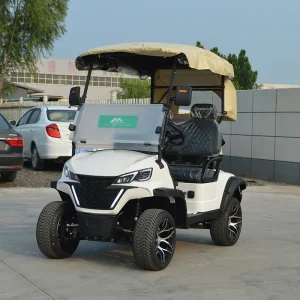
Versatile G70 2-Seater Electric Sightseeing Car & Golf Cart
View Product Specs
72V AC Mini 4-Seat Electric Cart (CE Certified, Factory Direct)
View Product Specs
Wholesale 72V Modern 6-Seater Golf Buggy High-End Edition
View Product Specs
Factory-Direct 2-Seater Electric Sightseeing Car & Club Van
View Product Specs
Customized 72V Lithium Comfortable 6-Seat Electric Golf Buggy
View Product SpecsFrequently Asked Engineering & Procurement Questions
In-depth responses covering battery management, homologation paperwork, custom OEM branding, and international container stuffing.
Why is a 72V system mandatory for commercial 6-seater golf carts over legacy 48V setups?
What specific certifications are required to register and operate 6-seater golf carts overseas?
How many 6-seater electric golf carts can fit into a 20ft and 40ft HQ ocean container?
- Completely Built-Up (CBU): Usually requires custom steel racking. A 20ft container holds 2 units; a 40ft High Cube container typically holds 4 to 6 units depending on roof height removal.
- Semi-Knocked Down (SKD): The extended hardtop roof, windshield, front tires, and rear seats are disassembled and packed flat inside heavy-gauge steel crates. In this mode, a standard 40ft HQ container accommodates 8 to 10 units, significantly reducing ocean freight cost per unit by up to 45%.
What degree of OEM/ODM customization is achievable direct from the China factory?
How does the factory ensure anti-corrosion longevity in humid or coastal island resort environments?
What after-sales service and spare parts pipeline are provided to overseas commercial buyers?
- Fast-Wear Spares Package: Each container order includes spare brake pads, suspension bushings, light assemblies, and relay switches.
- Digital Diagnostic Tools: We provide handheld controller programmers (for Curtis/Enpower systems) allowing local mechanics to calibrate acceleration ramps, maximum speed caps, and regenerative braking force.
- Warranty Terms: Standard warranties cover lithium battery packs for 3–5 years, motors and electronic controllers for 2 years, and the structural chassis for 5 years with direct DHL/FedEx air-express component dispatch for critical warranty claims.