
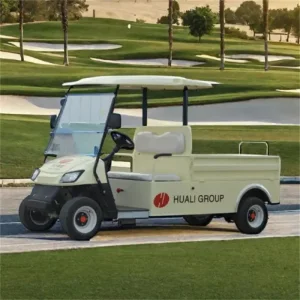
Featured Commercial Fleet & Motorized Cart Form Factors
Direct OEM/ODM catalog lines integrating high-torque 72V/48V powertrains, modular walk-assist protocols, aerospace chassis alloys, and smart lithium battery management systems.






Global Commercial & Industrial Status of Motorized Walking Golf Mobility
The global motorized walking golf cart and electric trolley manufacturing ecosystem is experiencing a structural revolution. Driven by post-pandemic golf demographic diversification, physical wellness advocacy, and strict greenkeeping turf preservation standards, golf resort operators and municipal authorities are migrating away from heavy 2-ton multi-passenger traditional utility carts toward motorized walking golf carts, smart robotic follow-caddies, and high-efficiency low-impact platforms. From the links courses of St Andrews and the Sandbelt of Melbourne to the premium master-planned golf communities of Scottsdale and Dubai, the demand for precision walking mobility represents the fastest-growing micro-mobility category in the sports and leisure vehicle sector.
Historically, the golf cart supply chain was split between heavy ride-on buggies and rudimentary lead-acid motorized pull-carts. Today, industrial convergence led by advanced Chinese manufacturing facilities—anchored in specialized industrial zones such as Dezhou, Shandong—has redefined the engineering matrix. OEM and ODM tier-1 factories have cross-pollinated automotive-grade 72V LiFePO4 lithium chemistry, high-efficiency AC permanent magnet synchronous motors (PMSM), and ultra-wideband (UWB) autonomous tethering algorithms directly into commercial golf vehicle chassis design. This convergence allows golf clubs to maintain fleet availability, eliminate turf rutting during wet seasons, reduce battery replacement overhead by 70%, and optimize player round cadence through smart pacing telematics.
Demographic Shift to Walking
Over 62% of core golfers aged 21–45 actively prefer walking the course for cardiovascular health benefits, provided physical bag carriage is automated via motorized walking buggies or follow-me robotics.
Agronomic Turf Protection
Championship superintendents face severe fairway shear and subsoil compaction from heavy 400kg+ ride-on units. Walking motorized carts spread ground pressure to <4.5 psi, eliminating costly fairway aerification downtime.
Fleet ROI & TCO Optimization
Motorized walking caddies and light-chassis platforms achieve 4x energy density efficiency over vintage DC carts. Fleet leasing models yield break-even capital recovery within 14 months of operational deployment.
Technology Roadmap: From Mechanical Trolleys to AI-Autonomous Follow Carriers
As a specialized ODM engineering factory, Leibin structures vehicle development across rigorous micro-mobility tiers. In contrast to consumer-grade walking carts prone to axle torsion failure on undulating greens, industrial-grade motorized walking golf carts require automotive-grade tolerances. Our manufacturing protocol integrates robotic CNC mandrel bending, anti-electrophoresis dip tanks, and high-frequency inverter motor controllers capable of modulating torque at 100Hz intervals.
| Architecture Subsystem | Conventional Walking Trolleys | Leibin Industrial ODM Standard | Next-Gen AI Autonomous Node |
|---|---|---|---|
| Powertrain & Motor | Brushed DC 12V/24V 200W | Dual Integrated 36V/48V Brushless PMSM Hub | 72V Vector Field Oriented Control (FOC) AC Motors |
| Battery Chemistry & BMS | SLA / Lead-Acid (300 cycles) | Automotive LiFePO4 w/ Smart CAN-Bus BMS (3500+ cycles) | Solid-State Li-Ion with Integrated Solar Continuous Trickle |
| Chassis Metallurgy | Stamped Sheet Steel (High corrosion) | 6061-T6 Aircraft Billet Aluminum & E-Coated Tubular Steel | Carbon-Fiber Reinforced Thermoplastic Composite |
| Braking & Grade Control | Friction Pad / Manual Lock | Electronic Dynamic Downhill Descent Braking (ADC) | Predictive Slope Regenerative Active Holding Brakes |
| Tracking / Navigation | Manual Handle Throttle Only | UWB Beacon Follow + 2.4GHz Digital RF Remote | Stereo Vision SLAM + 3D LiDAR Obstacle Disruption System |
Active Downhill Regulation
Integrated Hall sensors read wheel slip in real-time, executing pulse-width modulation counter-torque so carts never run away on 35-degree slopes.
Smart Battery Balancing
Cell-level thermistors monitor thermal runaway risk during rapid continuous charging cycles, communicating diagnostic health to resort cloud consoles.
Sub-Centimeter UWB Tethering
Wearable clip-on transponders establish a continuous mathematical radius, ensuring the motorized walking cart maintains a consistent 1.8-meter pacing distance behind the player.
IP67 Ingress Waterproofing
Sealed motor housings, potting-filled motor drivers, and waterproof military harness connections withstand extreme downpours, coastal salt spray, and pressure washing.
Localized Application Scenarios: Engineered for High-Intensity Operations
Tailored configurations engineered for diverse geographic terrains, regulatory frameworks, and enterprise hospitality demands.
Championship Links & Mountain Courses
Rugged coastal links courses (UK, Ireland, Monterey) experience fierce winds, sod-wall bunkers, and wet peat soil where heavy ride-on buggies cause catastrophic wheel spin. Leibin motorized walking carts utilize high-tread all-terrain pneumatic polyurethane tires, differential torque vectoring, and active downhill regenerative braking to conquer 30-degree slopes without turf scarring.
Master-Planned Gated Estates & Communities
In master-planned communities throughout the Sunbelt, Spain, and Southeast Asia, low-speed electric vehicles transition continuously from private greens to neighborhood streets. Our multi-purpose motorized platforms easily integrate street-legal packages—DOT-approved LED headlights, turn indicators, rearview mirrors, and speed-limit governors complying with US FMVSS 500 and EU L6e standards.
High-Turnover Municipal & Resort Rental Fleets
Public 18-hole layouts running 36,000 rounds annually require rugged equipment that survives back-to-back rounds with zero downtime. Leibin quick-swap battery bays allow 30-second pack exchanges. Heavy-duty aluminum front bumpers protect against curb impacts, while internal IoT telematics provide course operators with geofencing control to keep walking carts out of environmentally sensitive wetlands.
Macro Industry Solutions: Transforming Fleet Supply Chains for Global Brands
Procuring low-speed electric vehicles and motorized walking golf equipment through multi-layer trading middlemen introduces devastating risks: inconsistent weld metallurgy, uncertified lithium pack assembly, fragmented warranty liability, and unpredictable container space utilization. Dezhou Leibin Vehicle Industry Co., Ltd. operates a single accountable, vertically integrated 13,000 m² facility. From raw alloy tubing extrusion and robotic MIG welding to automated powder-coating lines, wire-harness weaving, and dynamometer rolling-road safety testing, we manage every engineering milestone in-house.
Direct Private Labeling & Mold Tooling
Rapid prototyping for overseas distributors. We manufacture proprietary injection-molded front fascias, branded steering consoles, ergonomic throttle handles, and custom colorways matched to RAL and Pantone specifications.
Rigorous Homologation & Safety Compliance
Comprehensive compliance documentation provided directly from the factory. Full CE Machinery Directive (2006/42/EC), EMC testing certifications, UN38.3 battery transport safety dossiers, and MSDS documentation for smooth port clearance.
High-Density Knock-Down (SKD/CKD) Logistics
Precision steel-crated packaging minimizes ocean freight damage. Our modular chassis design allows stacking up to 48 walking carts or 12 full-sized buggies per 40HQ container, cutting landed shipping costs per unit by over 40%.
Frequently Asked Technical Questions (FAQ)
Direct answers on powertrain engineering, production capacities, firmware integration, and international shipping protocols.
How does Leibin address steep incline stability and runaway danger on undulating courses?
What are the primary operational differences between 48V and 72V lithium architectures?
Can our engineering team specify custom telematics, GPS geofencing, and remote fleet management modules?
What is your minimum order quantity (MOQ) and sample evaluation lead time for private label distributors?
How are lithium battery safety certifications handled for maritime ocean freight and EU/US customs?
What warranty and spare parts replacement framework do you supply to overseas service departments?
Industrial Utility, Resort Sightseeing & High-Performance Electric Fleets
Browse our remaining direct-from-factory catalog offerings, ready for global customization, homologation, and fleet deployment.

Consult Directly with a Chief Powertrain Engineer
Whether preparing an OEM tender for 100+ municipal golf club units or prototyping a proprietary smart motorized walking caddy platform, collaborate directly with our Shandong engineering team to receive full CAD assemblies, homologation test data, and competitive container FOB/CIF schedules.