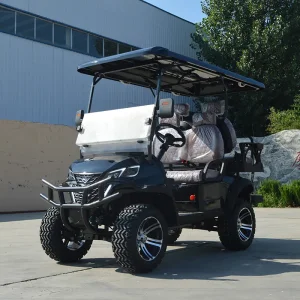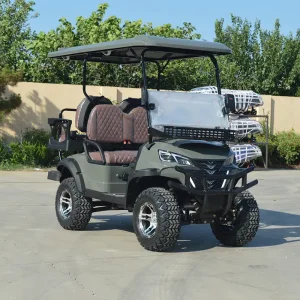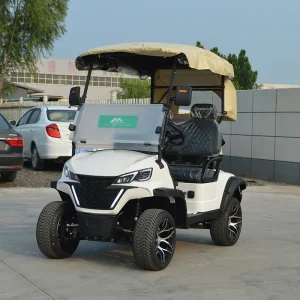
High-Efficiency OEM Patrol & Utility Platforms
Engineered for high uptime, structural resilience, and low lifecycle operational costs across institutional and municipal environments.
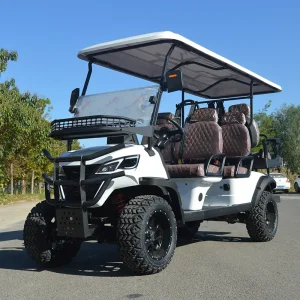
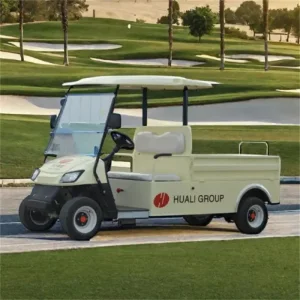
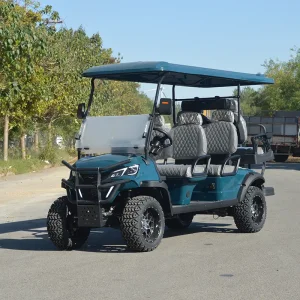
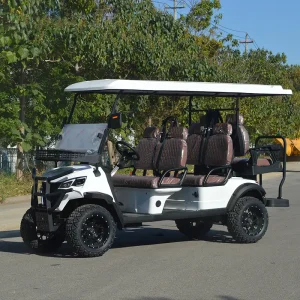
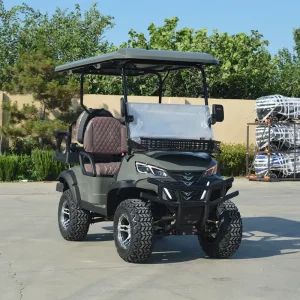
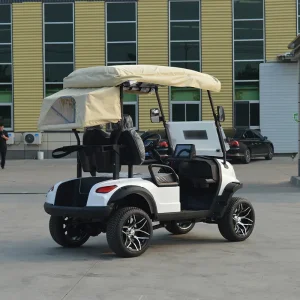
Technological Evolution in Low Maintenance Patrol Cars
Security operations, municipal facilities, and mega-campuses are replacing traditional internal combustion utility fleets with low-speed electric vehicles (LSEVs) designed for ultra-low routine servicing.
Lithium-Iron Phosphate (LiFePO4) Power
Traditional flooded lead-acid batteries fail prematurely due to irregular manual watering, corrosion, and acid stratification. Contemporary OEM patrol units leverage integrated LiFePO4 packs with automated Battery Management Systems (BMS), eliminating distilled water refills and delivering maintenance-free battery lifespans exceeding 8 to 10 years under continuous daily operational duty cycles.
Maintenance-Free AC Brushless Drivetrains
DC brushed motors require periodic carbon brush replacements and commutator inspections. Modern patrol car platforms standardize on high-torque, brushless AC induction or permanent-magnet synchronous motors (PMSM). Encased in IP67-rated water-and-dust proof housings, these drivetrains operate with zero brush wear and regenerate energy during frequent braking.
Automotive Cathodic Electrodeposition (E-Coat)
Chassis corrosion remains a critical failure point in high-humidity or coastal security deployments. Elite Chinese OEMs employ automated multi-stage robotic welding and submerged cathodic electrodeposition coating. This automotive-grade protection ensures salt-spray corrosion resistance up to 1,000+ hours, safeguarding frame rigidity over multi-year deployments.
Powertrain Matrix: Operational Architecture Comparison
A rigorous architectural breakdown highlighting how engineering selections directly determine fleet Total Cost of Ownership (TCO).
| Evaluation Parameter | Legacy DC / Lead-Acid Patrol Cart | OEM Modern 72V Lithium AC Patrol Car | Operational Fleet Impact |
|---|---|---|---|
| Battery Servicing Requirement | Bi-weekly distilled water replenishment, terminal degreasing | Zero Maintenance Fully sealed BMS monitoring | Saves ~48 labor hours per vehicle annually |
| Motor Mechanical Wear | Carbon brushes require annual replacement & cleaning | Brushless AC / PMSM (IP67 sealed) | Eliminates unexpected roadside motor seizing |
| Braking System Longevity | Mechanical drum brakes subjected to thermal friction wear | Dynamic regenerative braking + 4-wheel hydraulic discs | Extends brake pad service intervals by over 300% |
| Thermal Efficiency & Range | High I²R heat losses; steep voltage drop on inclines | 72V high-efficiency AC architecture; low current draw | Provides 30% greater range per kWh capacity |
| Diagnostics & Failure Tracking | Manual multimeter troubleshooting upon failure | CAN-bus telemetry & digital controller fault logging | Reduces Mean Time to Repair (MTTR) by 75% |
China Industry 4.0: Supply Chain Resilience & OEM Scalability
Dezhou Leibin Vehicle Industry Co., Ltd. demonstrates how centralized manufacturing ecosystems in Shandong Province deliver engineering consistency, agile customization, and rapid lead times for international fleet buyers.
End-to-End Vertical Integration
Unlike assembly operations that rely heavily on fragmented tier-3 subcontractors, our 13,000 m² facility executes frame chassis fabrication, laser cutting, automated jig welding, electro-coating, wiring harness assembly, and dyno-testing entirely in-house under strict ISO 9001 protocols. This minimizes component variance and eliminates intermediary markups.
Tier-1 Cluster Supply Chain Density
Situated within the prime low-speed electric vehicle industrial belt of Shandong, Leibin achieves rapid component turnaround within a 50-kilometer radius. From high-grade structural steel and Envision/CATL-grade lithium cells to Curtis/Toyota controllers, the regional supply chain density guarantees uncompromised lead times even during global logistics bottlenecks.
Rigorous End-of-Line QA Protocols
Every single patrol car unit undergoes comprehensive factory testing prior to containerization: continuous ramp climb dyno runs, rain chamber water-ingress testing (IPX5 standards), emergency braking distance verification, and 100% electrical insulation validation. Comprehensive test reports are cataloged for full traceability by foreign procurement authorities.
Mission-Specific Global Deployment Scenarios
Engineered to adapt across diverse geopolitical, environmental, and infrastructure frameworks.
Gated Communities & Resorts
Quiet 24/7 patrol shifts demand near-silent operation to preserve residential tranquility. Our electric platforms operate below 50 dB, outfitted with multi-spectrum LED light bars, public address (PA) speakers, and perimeter strobe configurations tailored to residential safety protocols.
Industrial Parks & Logistics Hubs
Covering massive warehouse perimeters requires reliable torque on mixed surfaces (tarmac, gravel, ramps). High-torque 72V motors maintain consistent speeds under load while rear cargo boxes provide storage for security gear, fire extinguishers, and first-responder medical kits.
University & Hospital Campuses
High pedestrian density necessitates superior low-speed control, wide viewing angles, and automated pedestrian warning buzzers. Ergonomic seat layouts and optional weather-enclosed soft/hard doors ensure uninterrupted officer comfort during harsh winter or summer conditions.
Municipal Airfields & Seaports
Environments with high salinity and corrosive airborne particles demand cathodic e-coated chassis frameworks, stainless hardware, and waterproof marine-grade wiring harnesses. Rapid-charging capabilities allow 2-hour opportunity boosts during shift rotations.
Frequently Asked Questions: OEM Patrol Vehicle Sourcing
Essential regulatory, technical, and logistical clarifications for global fleet operators and government supply chains.
We eliminate the primary historical failure modes: replacing DC brushed motors with IP67-rated brushless AC motors, substituting high-maintenance lead-acid blocks with maintenance-free LiFePO4 cells governed by digital smart BMS, utilizing anti-corrosive cathodic electrodeposition-dipped steel chassis, and integrating regenerative braking which dramatically lowers friction brake pad wear.
As an experienced OEM factory, we tailor lighting assemblies (E-mark/DOT certified headlights, turn indicators, high-mount brake lamps), seat belts (three-point retractable), AS4-rated laminated glass windshields with electric wipers, digital speed limiters, dual split hydraulic braking systems, and reverse warning cameras to comply with local low-speed vehicle (LSV) statutes.
Yes. Standard golf carts rely on small 12V converters that overheat when high-output warning lights and communication gear are engaged. We engineer high-output 72V-to-12V DC-DC converters (ranging up to 35A-50A) integrated with isolated auxiliary fuse distribution blocks, ensuring external police sirens, searchlights, and telematics function without compromising powertrain battery health.
We supply fully assembled units in custom steel-frame crates or configure vehicles for Semi-Knocked Down (SKD) and Completely Knocked Down (CKD) packing. SKD allows our clients to load up to 12-16 units within a single 40ft HQ container depending on chassis length, reducing international ocean freight costs per unit by as much as 45%.
Custom Multi-Passenger & Utility Configurations
Explore additional verified models available directly from our Shandong production base for corporate, commercial, and utility fleet distribution.