

Signature Japan Fleet Releases
High-Efficiency Electric Sightseeing Shuttles for Japanese Operations
Engineered to satisfy stringent Japanese resort criteria, our flagship 4-seater and 6-seater low-speed platforms deliver whisper-quiet operation, ultra-low center of gravity, and extended lithium-iron battery life across mountainous onsen trails and coastal scenic avenues.

Kansai & Tokyo Scenic Fleet: China 72V Electric Golf Cart - 6-Seater Modern Design | China Suppliers & Factory Quality Golf Buggy Manufacturer, Factory
View Technical Specs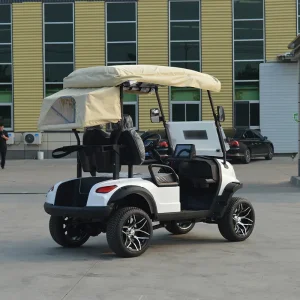
Historic District Cruiser: OEM Affordable 2 Seater Mini Sightseeing Car Golf Cart Electric Cars Manufacturer, Suppliers
View Technical Specs
Okinawa Eco-Tour Class: ODM Wholesale 6 Seat Electric Golf Carts - 72V Lithium, Customized Comfort from China Suppliers and Factory Supplier, Factory
View Technical Specs
Executive Sourcing Whitepaper
Macro Dynamics of Electric Sightseeing Vehicles in Contemporary Japan
A rigorous examination of Japan's structural mobility challenges, decarbonization mandates, and the rising strategic role of Chinese advanced electric vehicle manufacturing.
The Rise of "Green Slow Mobility" Across Japanese Prefectures
Japan is navigating a historic inflection point in regional and municipal transit. Spearheaded by the Ministry of Land, Infrastructure, Transport and Tourism (MLIT) in conjunction with the Ministry of the Environment, the national initiative known as "Green Slow Mobility" (グリーンスローモビリティ) promotes small electric vehicles operating at speeds under 20 km/h. This initiative addresses two intersecting structural pressures: an unprecedented aging population where over 29% of residents are aged 65 or older, and severe post-pandemic labor deficits among licensed commercial bus and taxi drivers.
In hot-spot tourism regions such as Hakone, Nikko, Kyoto’s Arashiyama, and the Nansei Islands (Okinawa), traditional diesel combustion buses are being restricted due to narrow preserved Edo-period alleyways, steep winding grades, and stringent carbon-neutral targets. Electric sightseeing vehicles have emerged as the indispensable micro-transit tier, bridging rail terminals (Shinkansen stations) and dispersed ryokan resorts.
Addressing Japan’s Over-Tourism & Demographic Realities
With Japan's foreign visitor traffic scaling past 33 million annual arrivals, traditional transit networks in historic corridors face severe capacity bottlenecks. Electric sightseeing shuttles provide flexible, zero-emission dispersion of tourist footfall. Simultaneously, regional municipalities are utilizing these open-air low-speed vehicles to restore daily mobility to elderly rural residents in depopulated prefectures such as Shimane, Akita, and Nagano.
- Sub-20 km/h Safety Benchmark: Coexists seamlessly with pedestrian zones and heritage corridors.
- Zero Tailpipe Emissions: Preserves fragile wooden architectures and pristine onsen hot-spring ecosystems.
- High Accessibility: Low-step floor ingress designed for silver-generation and multi-generational family travelers.
38.4%
Fleet Cost Reduction vs Domestic Japanese Production
72V LiFePO4
Standard High-Torque Powertrain Architecture
150+ km
Extended Operational Range per Single Overnight Charge
< 19 km/h
Factory-Calibrated Micro-Mobility Speed Limiting
B2B Procurement Economics
Why Japanese Asset Managers & Operators Source Direct from China
Analyzing the total lifecycle expenditure, tier-1 component integration, and volume customization advantages delivered by top Chinese electric vehicle manufacturers.
| Evaluation Parameter | China Direct OEM/ODM Manufacturing (Leibin) | Domestic Japanese Niche EV Assemblers | Legacy Gas-Powered Sightseeing Shuttles |
|---|---|---|---|
| Initial Fleet Capital Expenditure | Optimal (Factory-Direct Cost Basis) | Extremely High (Small-batch localized markup) | Moderate upfront, high recurring depreciation |
| Energy & Operating Cost / km | ¥1.8 – ¥2.4 JPY / km (High-efficiency LiFePO4 AC drive) | ¥2.2 – ¥3.1 JPY / km | ¥14.5 – ¥19.0 JPY / km (Fluctuating fuel taxation) |
| Powertrain & Battery Technology | Tier-1 Automotive-Grade 72V Lithium Iron Phosphate with Smart Cloud BMS | Standard 48V or outsourced third-party packs | Internal combustion engine (High mechanical wear) |
| Chassis Protection (Coastal / Onsen) | Electrophoretic dip-coating + hot-dip galvanized steel frames | Standard primer paint, prone to rapid corrosion | Conventional structural steel without sulfur seals |
| Production Lead Time (20–50 Units) | 3 to 4 Weeks (Vertically integrated lines) | 16 to 28 Weeks (Supply chain bottlenecks) | 12 to 20 Weeks |
| Annual Scheduled Maintenance Costs | Negligible (No oil, zero filter swaps, maintenance-free lithium) | Moderate (High proprietary parts charges) | Extremely High (Spark plugs, gear oils, belts, exhaust) |
Segment Solutions
Turnkey Micro-Mobility Architectures Engineered for Japanese Environments
Targeted configurations addressing specific terrain challenges, aesthetic traditions, and operational parameters across Japan’s commercial landscape.
Traditional Ryokan & Luxury Onsen Resorts
Japanese onsen valleys (e.g., Beppu, Kusatsu, Kurokawa) combine severe volcanic sulfur steam with demanding hillside switchbacks. Our luxury configurations feature specialized anti-sulfur electrical encasements and ultra-quiet AC induction motors that preserve the tranquil auditory ambiance demanded by high-end guests.
- Decibel signature under 42 dB for silent arrival
- Sulfur-resistant polyurethane wire harnessing
- Regenerative braking for safe downhill descents
Heritage Cities & Preservation Corridors
In historic districts such as Kyoto Gion, Kamakura, and Kurashiki Bikan, narrow roadway widths prevent full-size bus navigation. Our 4-seater and 6-seater compact low-speed vehicles are calibrated with tight turning radii (< 3.8m) and programmable speed ceilings to preserve pedestrian safety.
- 3.8m minimum turning radius for tight street corners
- Optional bamboo and dark wood grain interior aesthetics
- Obstacle-detection ultrasonic sensor integration
Theme Parks, Expo Venues & Waterfront Piers
Mass-transit internal circulators for facilities like Tokyo Bay complexes, Osaka Yumeshima Expo grounds, and botanical gardens. Built on reinforced automotive ladders capable of continuous 16-hour passenger dispatch with integrated fast-charging protocols.
- High-capacity multi-row configurations (Up to 8-14 pax)
- Rooftop solar photovoltaic range-extending arrays
- ADA-compliant roll-on wheelchair ramp modifications
Regulatory Engineering
MLIT Compliance & Japanese Homologation Support
Importing commercial electric vehicles into Japan requires meticulous navigation of the Road Transport Vehicle Act (道路運送車両法) and local police department permits for designated public-road routes. Our engineering department works hand-in-hand with Japanese importers, distributors, and municipal buyers to ensure full documentation and mechanical conformity.
We provide full English and Japanese technical datasheets, certified lithium cell safety manifests (UN38.3, MSDS), and customized wiring diagrams adapted to Japan’s safety equipment expectations, including emergency cutoff disconnects, JIS-standard indicator lighting, and right-hand drive (RHD) ergonomic placement.
Comprehensive Conformity Checklist for Japan
- Precision Right-Hand Drive (RHD): Fully adapted steering geometry and pedal assemblies tailored for Japanese roadways.
- Electronic Speed Limiting: Tamper-proof ECU firmware locking maximum velocity to 19 km/h for Green Slow Mobility compliance.
- Automotive Optical Signaling: E-mark and JIS compliant high-visibility LED headlamps, hazard blinkers, and high-mount brake lights.
- Dual-Circuit Braking System: Hydraulic front disc and rear drum braking paired with an automatic electromagnetic hill-hold parking brake.
- Port-to-Facility Logistics: Direct shipping to Port of Tokyo, Yokohama, Osaka, and Kobe with complete SKD/CKD containerization.
Future-Ready Technology
Technology Roadmap: Level-4 Autonomy & V2G Disaster Resilience
Anticipating the next generation of Japanese micro-mobility: autonomous scenic cruising and bidirectional smart emergency microgrid integration.
Level 4 Autonomous Pilot Ready
Equipped with standardized CAN-bus drive-by-wire steering and braking interfaces. Chinese factories are already co-developing RTK-GNSS and solid-state LiDAR pre-mapped guidance suites for closed Japanese theme parks, golf resorts, and university campuses seeking driverless operation.
V2X & Disaster Relief Power Storage
Japan faces frequent seismic and typhoon events. Our latest 72V lithium sightseeing platforms feature optional bidirectional inverters, enabling parked vehicle fleets to serve as mobile emergency power supplies for local community shelters, powering medical devices and satellite hubs during grid outages.
Integrated Monocrystalline Solar Roofs
Our high-efficiency monocrystalline solar canopy technology generates up to 350W of continuous trickle charging under sunlight, reducing reliance on commercial charging posts and adding 15–20 km of clean cruising distance each operating day in sunlit regions like Shizuoka and Miyazaki.
Comprehensive Commercial Fleet Portfolio
Commercial Electric Sightseeing Vehicles & Multi-Passenger Buggies
Full catalog lineup optimized for golf resorts, municipal parks, private estates, and luxury hotels across Hokkaido, Honshu, Shikoku, and Kyushu.
Kyoto Garden Micro-Shuttle: China Affordable Electric 2 Seater Mini Sightseeing Car Golf Cart from China Suppliers and Factory Supplier, Factories
View Technical Specs
Shizuoka Scenic Fleet: ODM Low-Speed Electric Golf Car from China Suppliers - CE Approved 15-40km/H Beemotors G70-4+2 Factory Model Suppliers, Factories
View Technical Specs
Fuji Highland Express: China Wholesale 6 Seat Electric Golf Carts, 72V Lithium Customized Comfortable 4 Seat Electric Golf Buggy Supplier, Suppliers
View Technical Specs
Nagano Mountain Cruiser: Best The Factory Directly Supplies 2-Seater Electric Sightseeing Cars, Golf Carts, Club Cars and Vans for Sale Manufacturers, Manufacturer
View Technical Specs
Hokkaido All-Weather Spec: Buy 72V AC Mini Electric Golf Cart for Sale - China Suppliers & Factory, 4-Seat Lithium Battery Model, CE Certified Suppliers, Factory
View Technical Specs
Izu Peninsula Coastal Shuttle: Wholesale Wholesale 6 Seat Electric Golf Carts from China Suppliers - Customized 72V Lithium Golf Buggy Factory Direct Supplier, Suppliers
View Technical Specs
Hakone Highland Tourer: China China Suppliers Factory 72V Electric Golf Cart - 4-Seater Off-Road Buggy for Sightseeing, 35 km/h Speed, 150 km Range Suppliers, Factories
View Technical Specs
Chiba Community Eco-Cart: Cheap Cheap Small 4 Seater Electric Golf Carts, Golf Cart Battery, off Road Golf Carts Factory, Factories
View Technical Specs
Expert Sourcing Q&A
Frequently Asked Questions: Sourcing Electric Vehicles for Japan
Direct technical and commercial answers for fleet operators, resort procurement managers, and trading intermediaries.
Are these vehicles road-legal on Japanese public roads?
Under Japan's Road Transport Vehicle Act, road qualification depends on vehicle category classification (e.g., Ultra-compact mobility / Kei-car or Special Small-sized Vehicle) and local municipal permits. Our factory customizes hardware—installing certified turn indicators, mirrors, seatbelts, speed restrictors (<19 km/h), and RHD configurations—and furnishes the complete engineering blueprints required for your local Land Transport Bureau (運輸支局) registration.
How do your electric vehicles withstand Japan's snowy regions and coastal onsen environments?
Every frame undergoes an automotive-grade electrocoating (ED dip) combined with an underbody anti-corrosion barrier designed to resist road salts in snowy prefectures like Hokkaido and Nagano, as well as sulfurous volcanic fumes in onsen regions. Electrical junctions and battery compartments are sealed to IP67 standards to protect against moisture ingress and brine spray.
Why is a 72V Lithium Iron Phosphate (LiFePO4) platform superior for Japanese resorts?
Many Japanese resorts are built on hilly terrain (15% to 25% slopes). A 72V system draws significantly lower amperage than legacy 48V systems while delivering substantially greater instantaneous climbing torque without motor overheating. Furthermore, LiFePO4 cells offer 3,500+ charge cycles, zero maintenance watering, and operate safely down to -20°C in winter climates.
What is the typical shipping lead time and customs arrangement to Japanese ports?
Standard production runs of 5 to 30 units are completed within 20 to 25 calendar days. Direct maritime freight from Qingdao or Shanghai to Port of Tokyo, Yokohama, Osaka, or Kobe typically takes only 3 to 6 sailing days. We provide complete export documentation (Bill of Lading, Certificate of Origin, UN38.3 battery certification) ensuring seamless clearance through Japan Customs (税関).